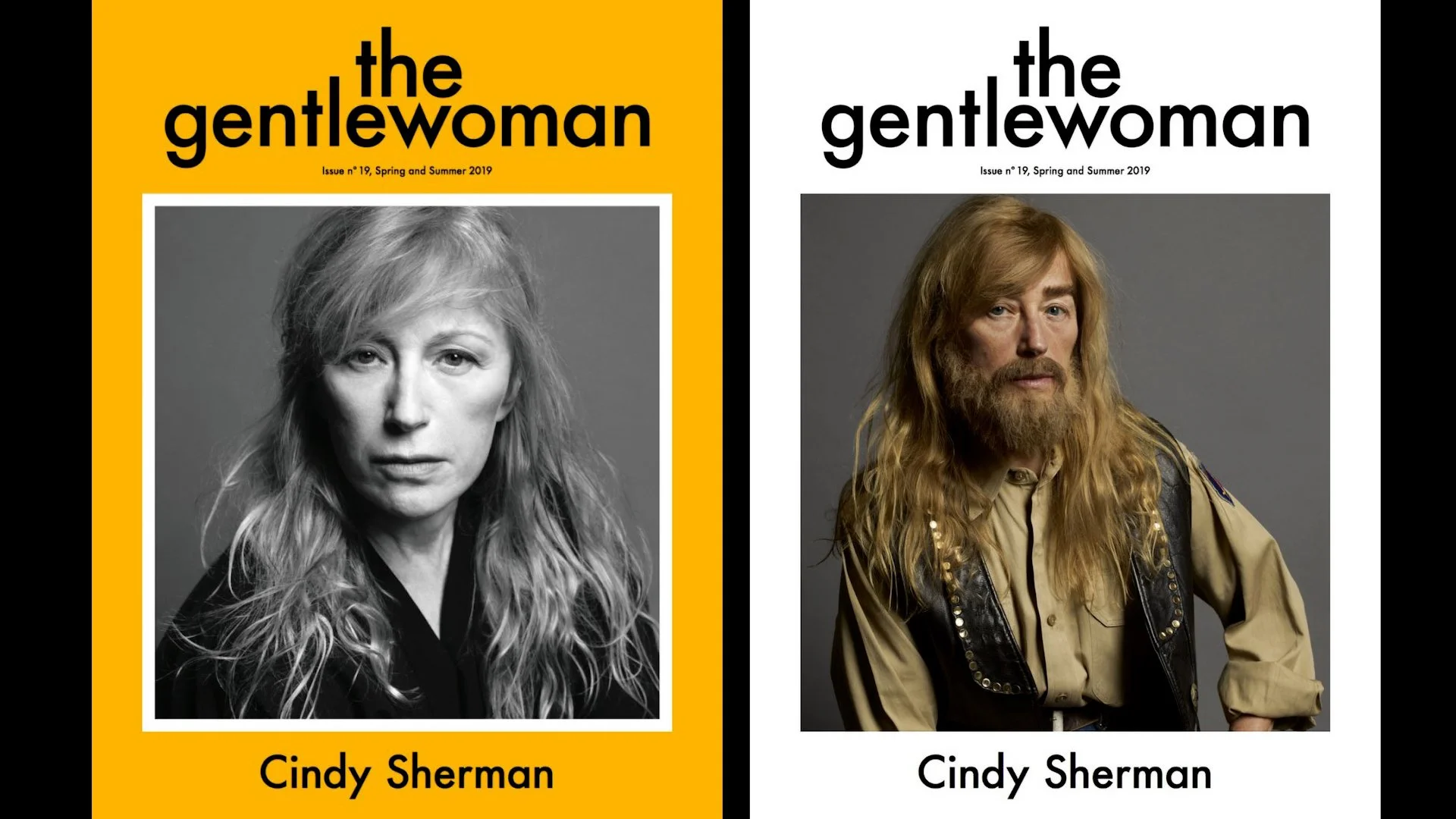
Cindy Sherman
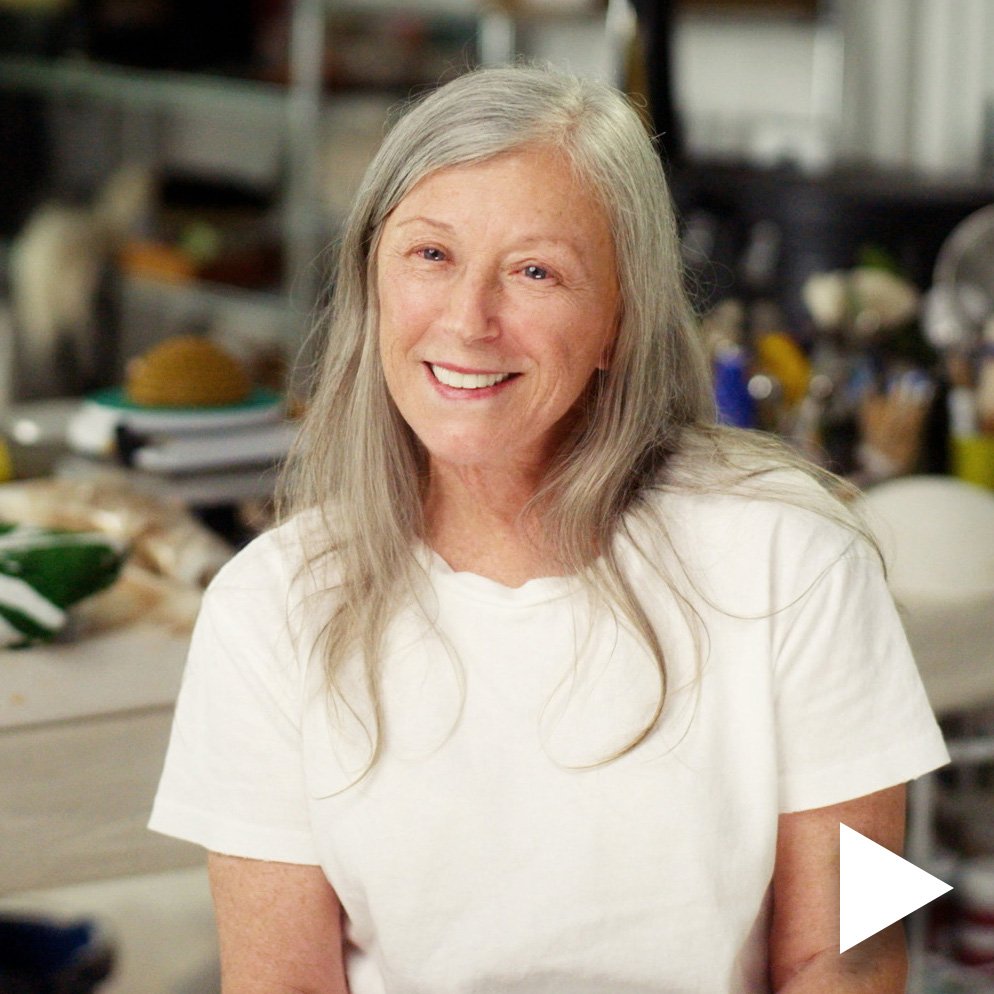
CINDY SHERMAN
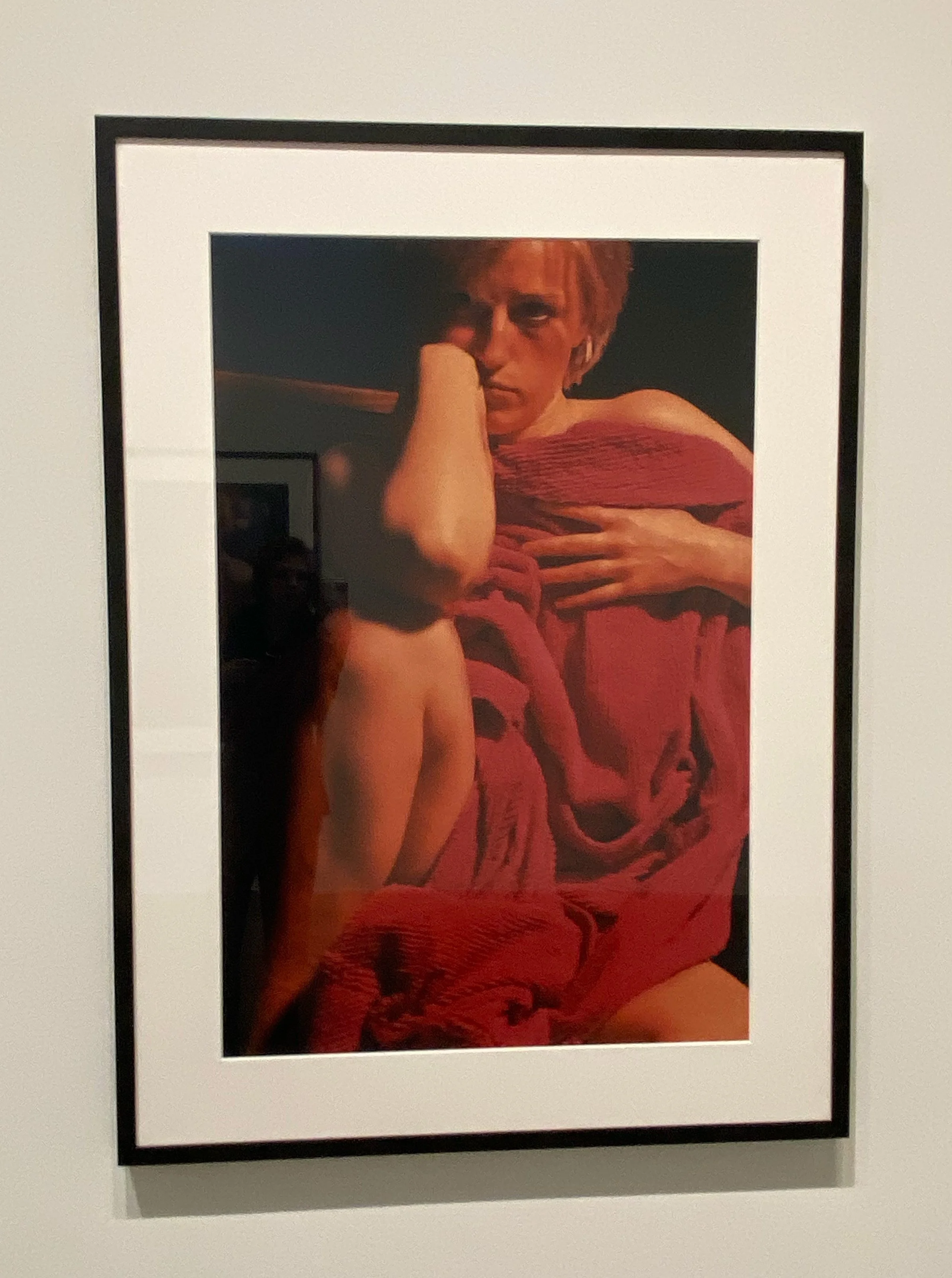
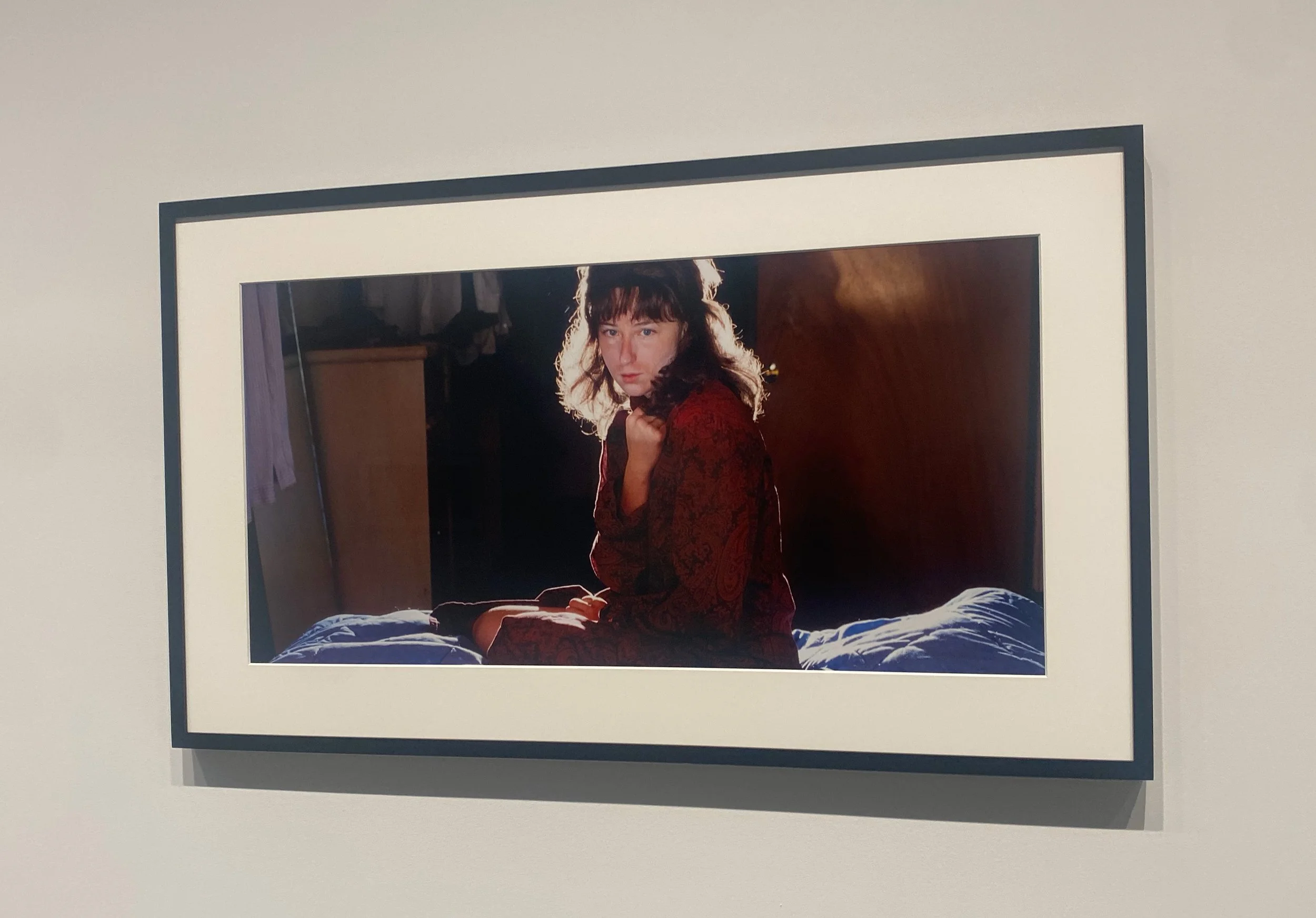
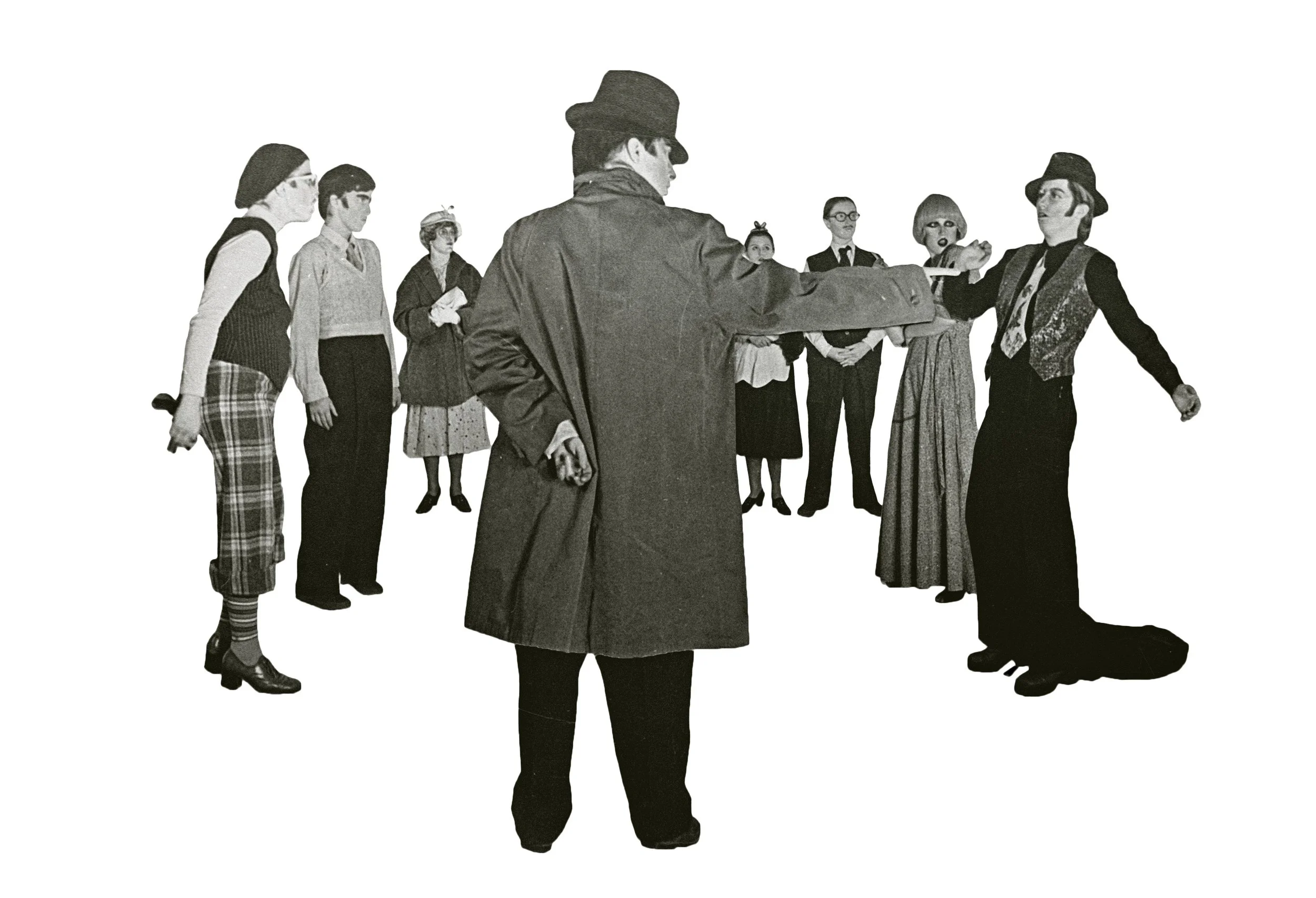
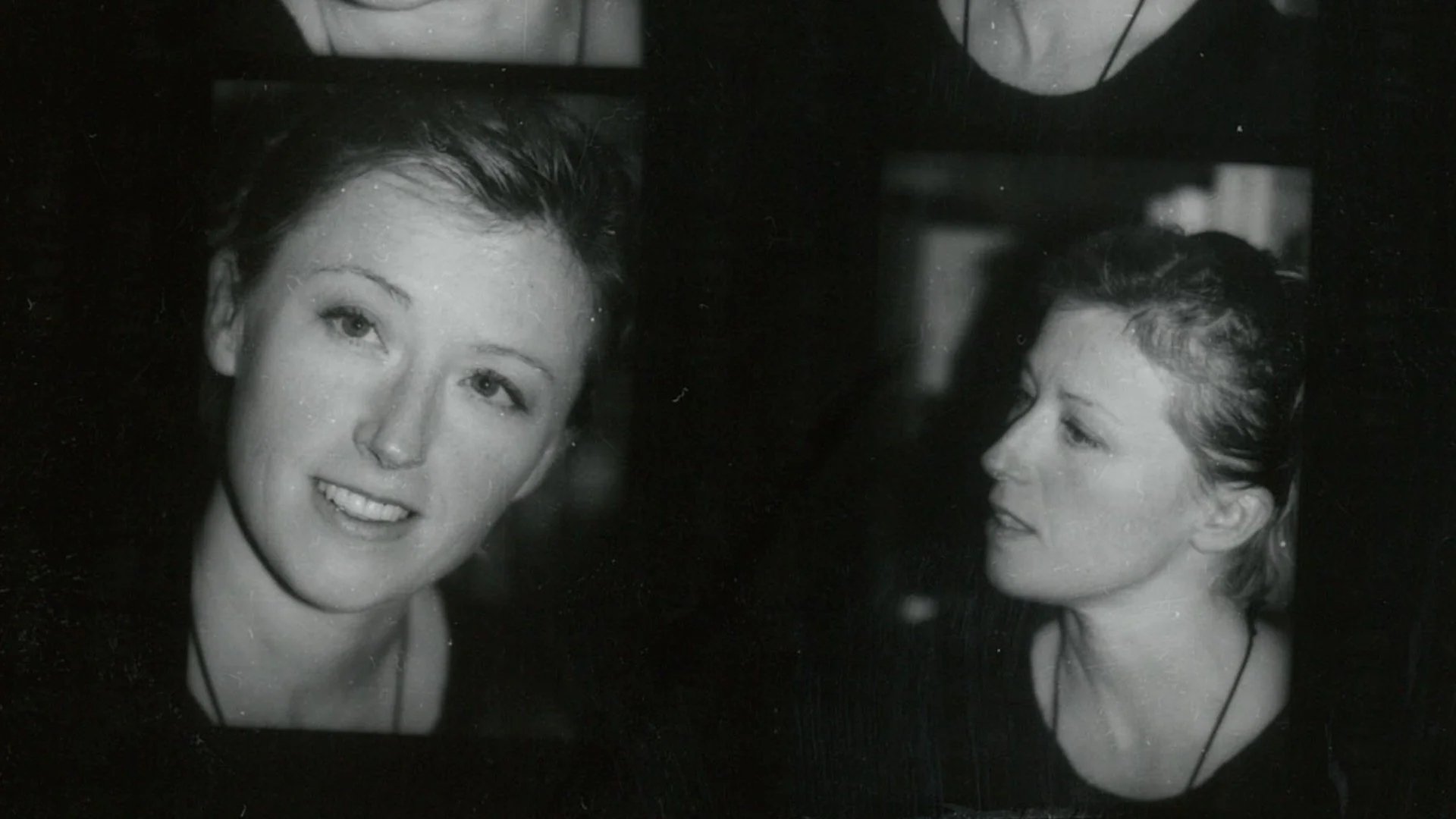
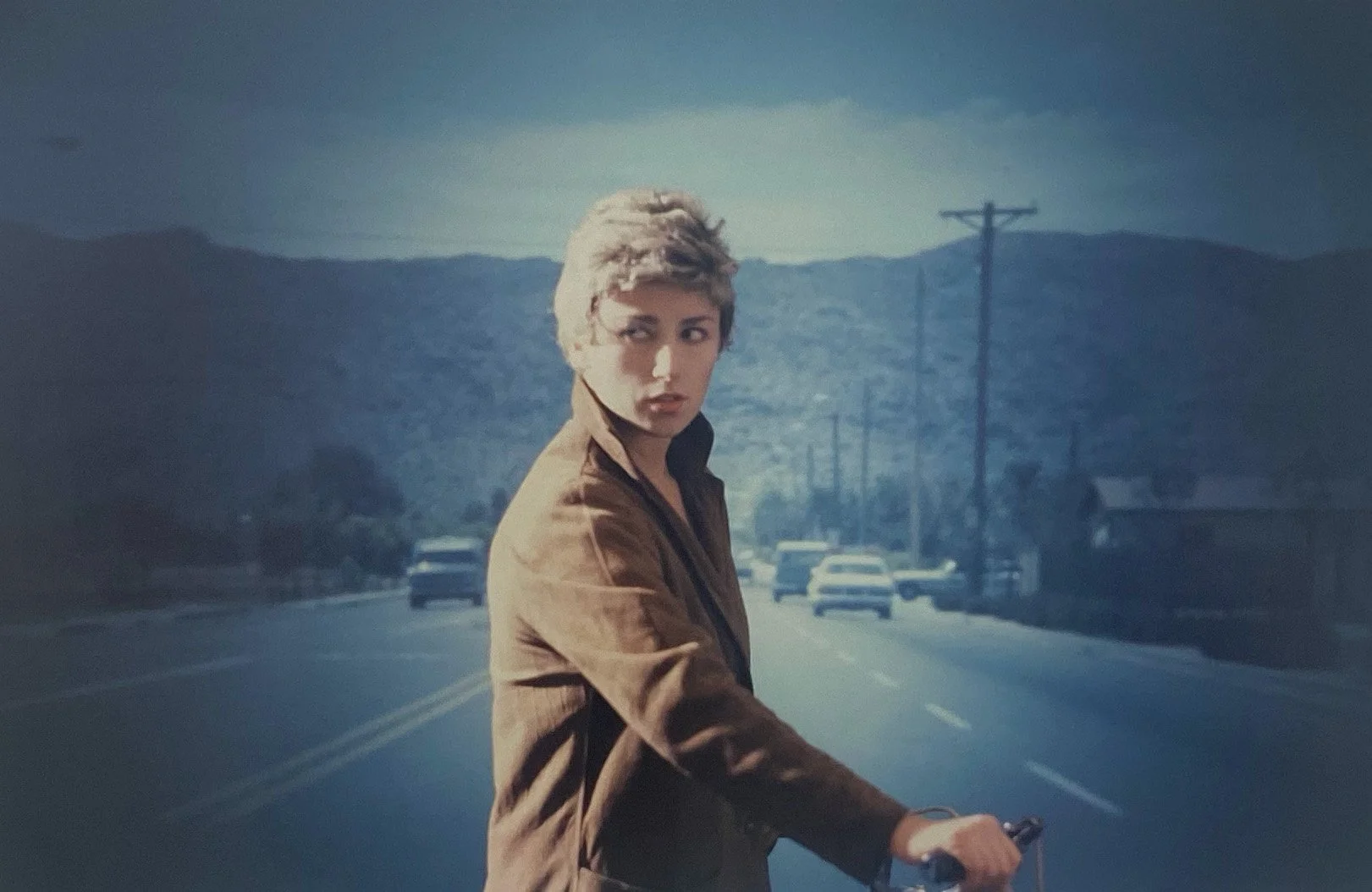
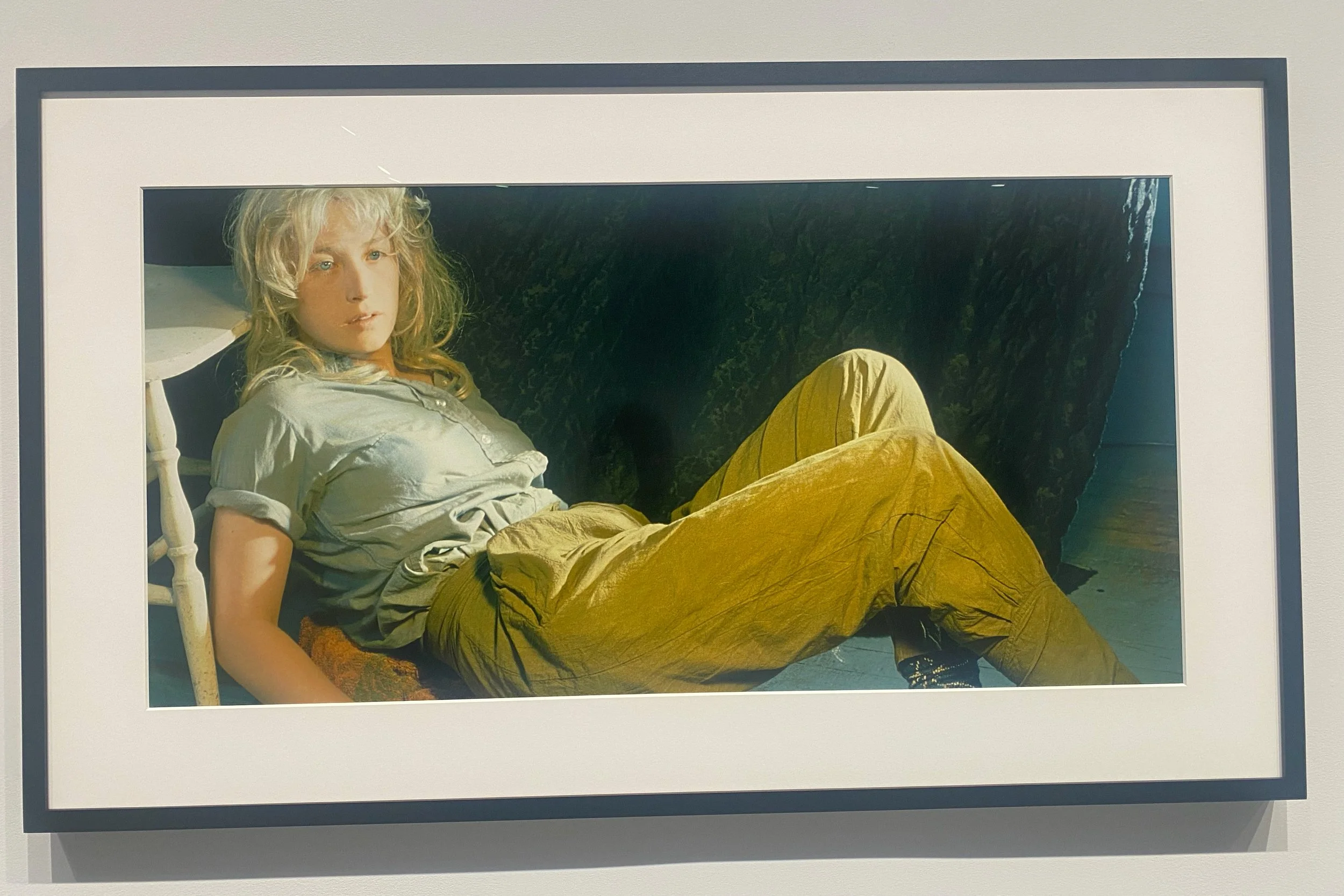
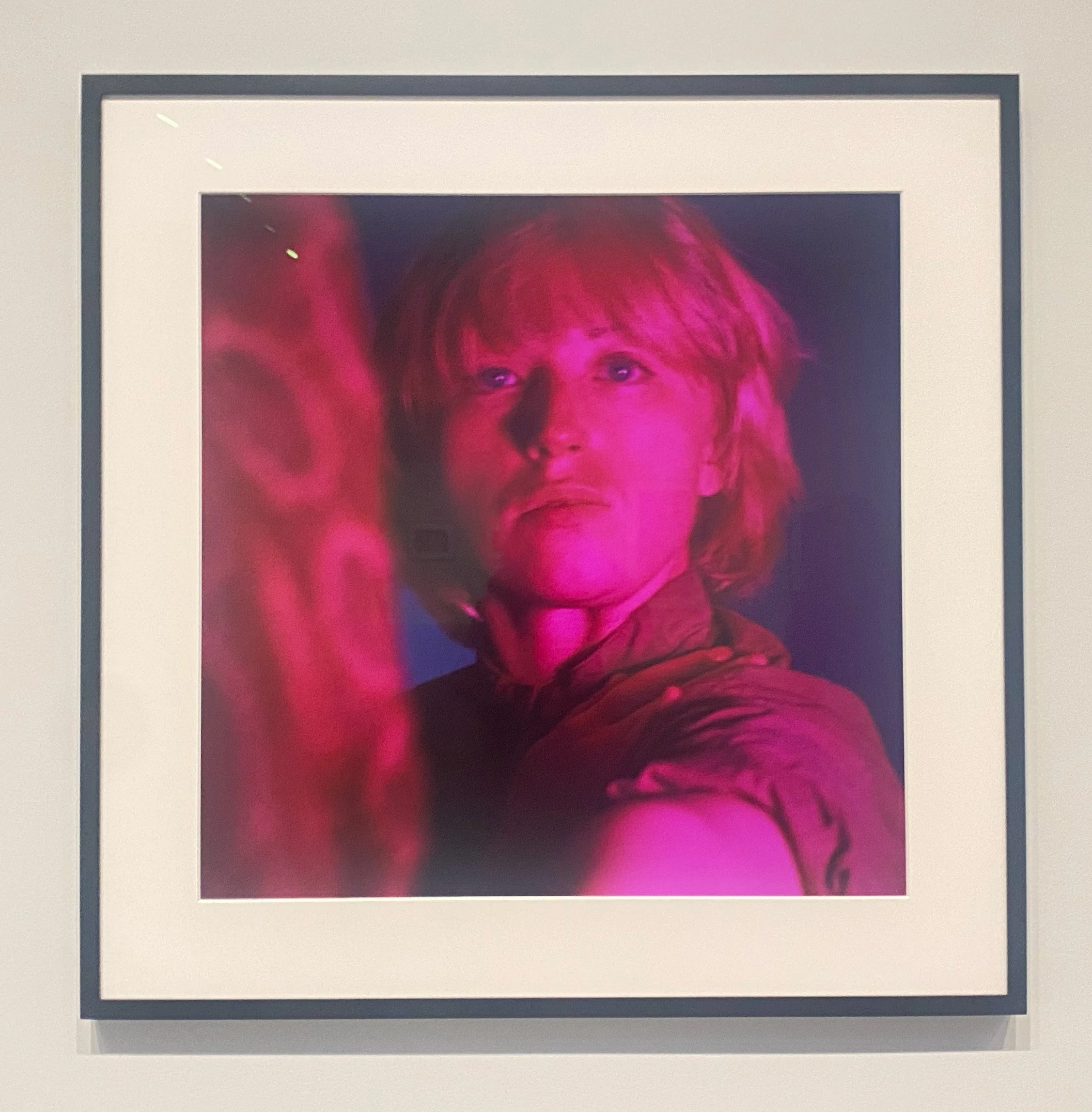
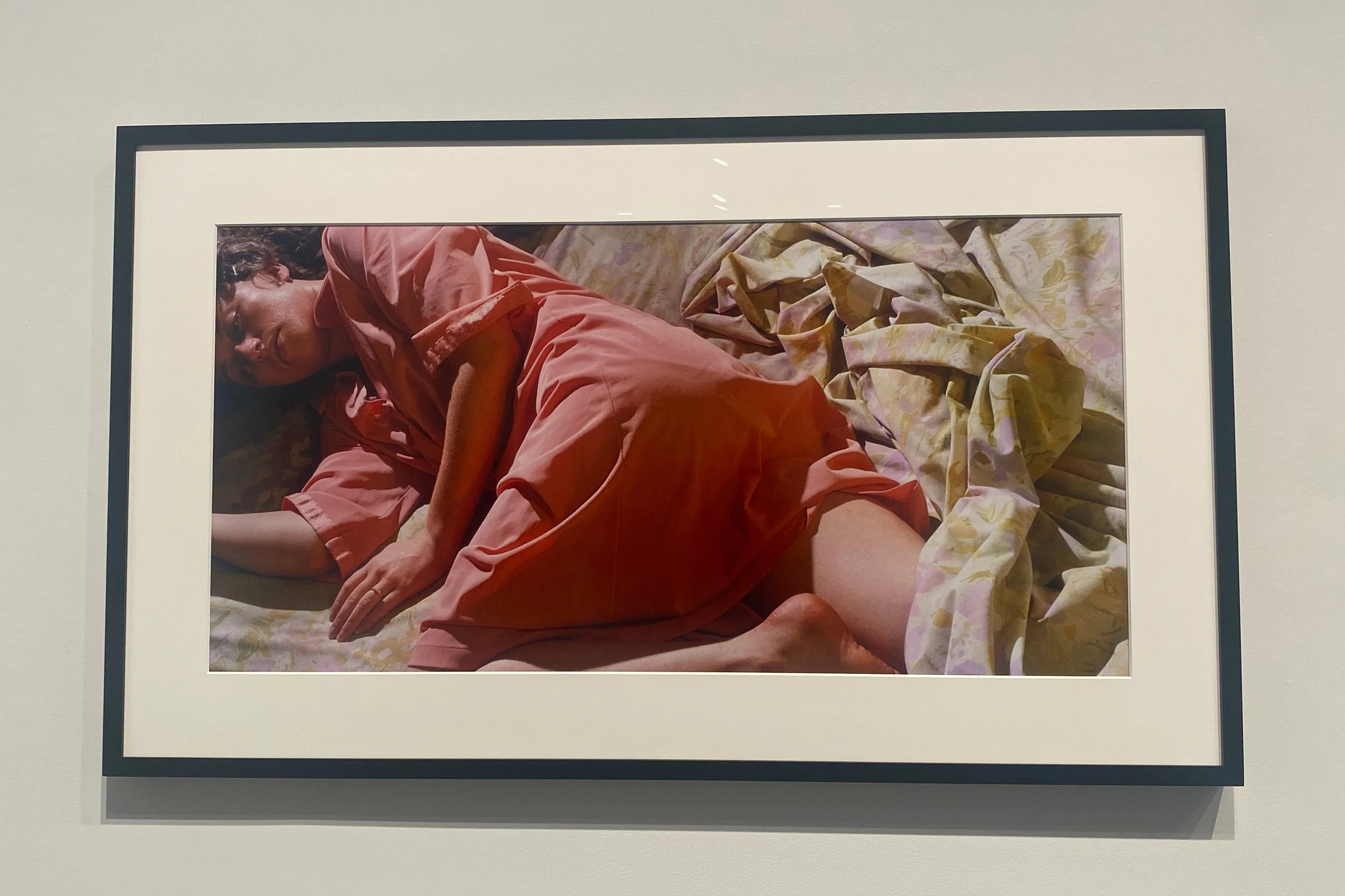
Cynthia Sherman was born on January 19, 1954, in Glen Ridge, New Jersey, the youngest of five children. She grew up primarily in Huntington, New York, and after graduating high school in 1972, enrolled at the State University of New York at Buffalo. There, she majored in painting and photography. After graduating in 1976, she moved to New York City to begin her artistic career. In 1977 Sherman started her series titled The Untitled Film Stills. Working from her downtown loft as a primary backdrop, Sherman embodied the character of “Everywoman,” re-fashioning herself repeatedly into the guise of various female archetypes: the girly pin-up, the film noir siren, the housewife, the sex worker, and the noble damsel in distress. All of the works in the series are intended to comment on the stereotypical roles assigned to women in film and media, roles usually created by men.
Since the late 1970s, she has been photographing herself in roles inspired by mass-media stereotypes, real people, and art-historical degree to which these stereotypes are entrenched in the cultural imagination, drawing upon cinema, realism, and the grotesque within postmodern and feminist theory. Sherman has powerfully critiqued notions of female identities, real and constructed. Her work comments on how those identities are perceived, making her a key figure in late 20th and early 21st century art.
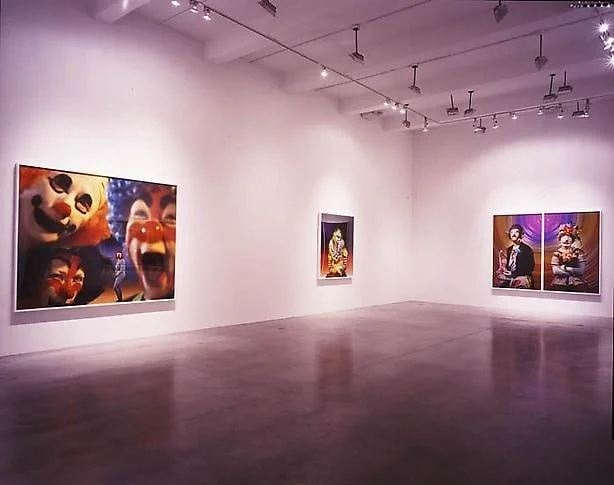
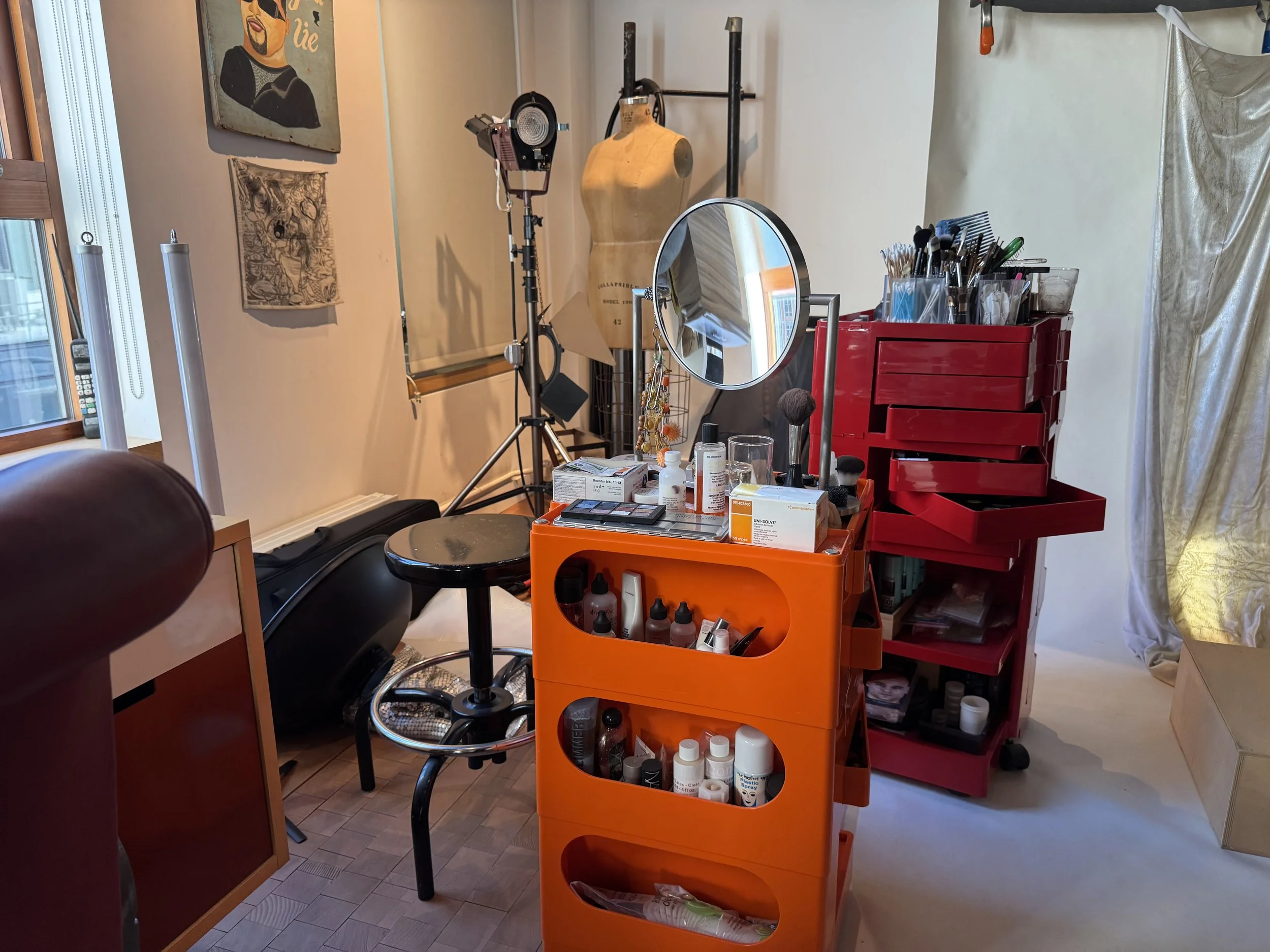
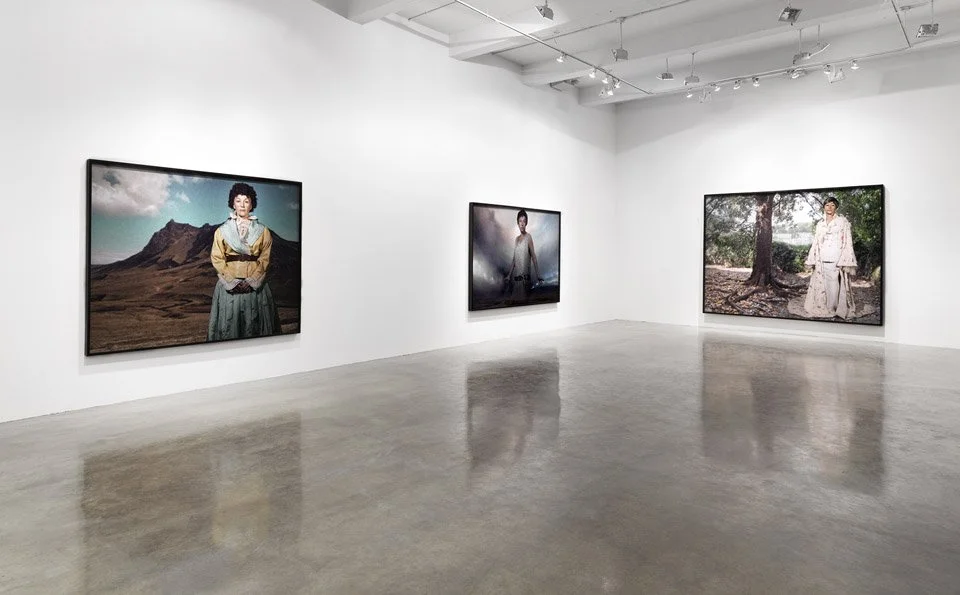
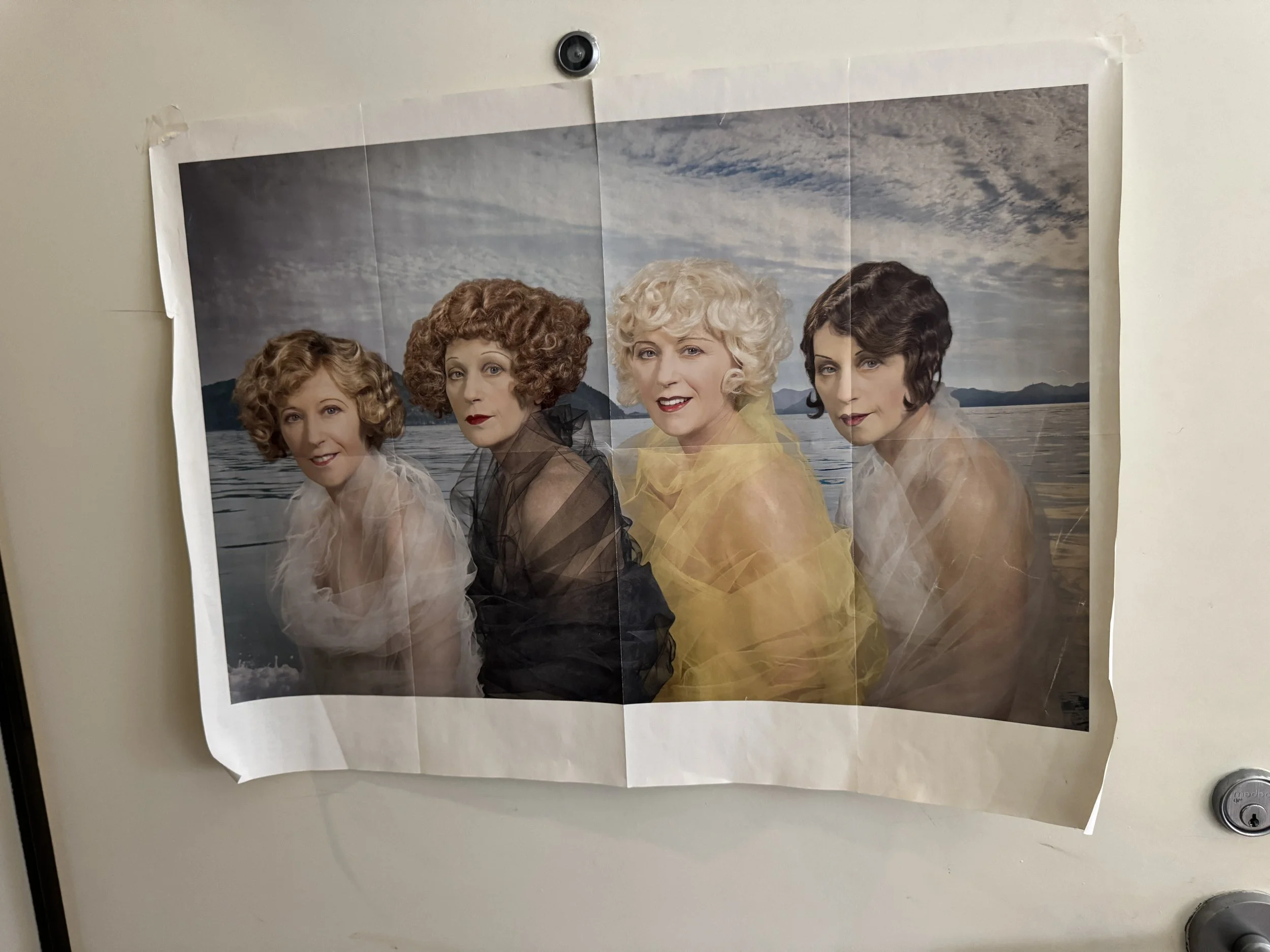
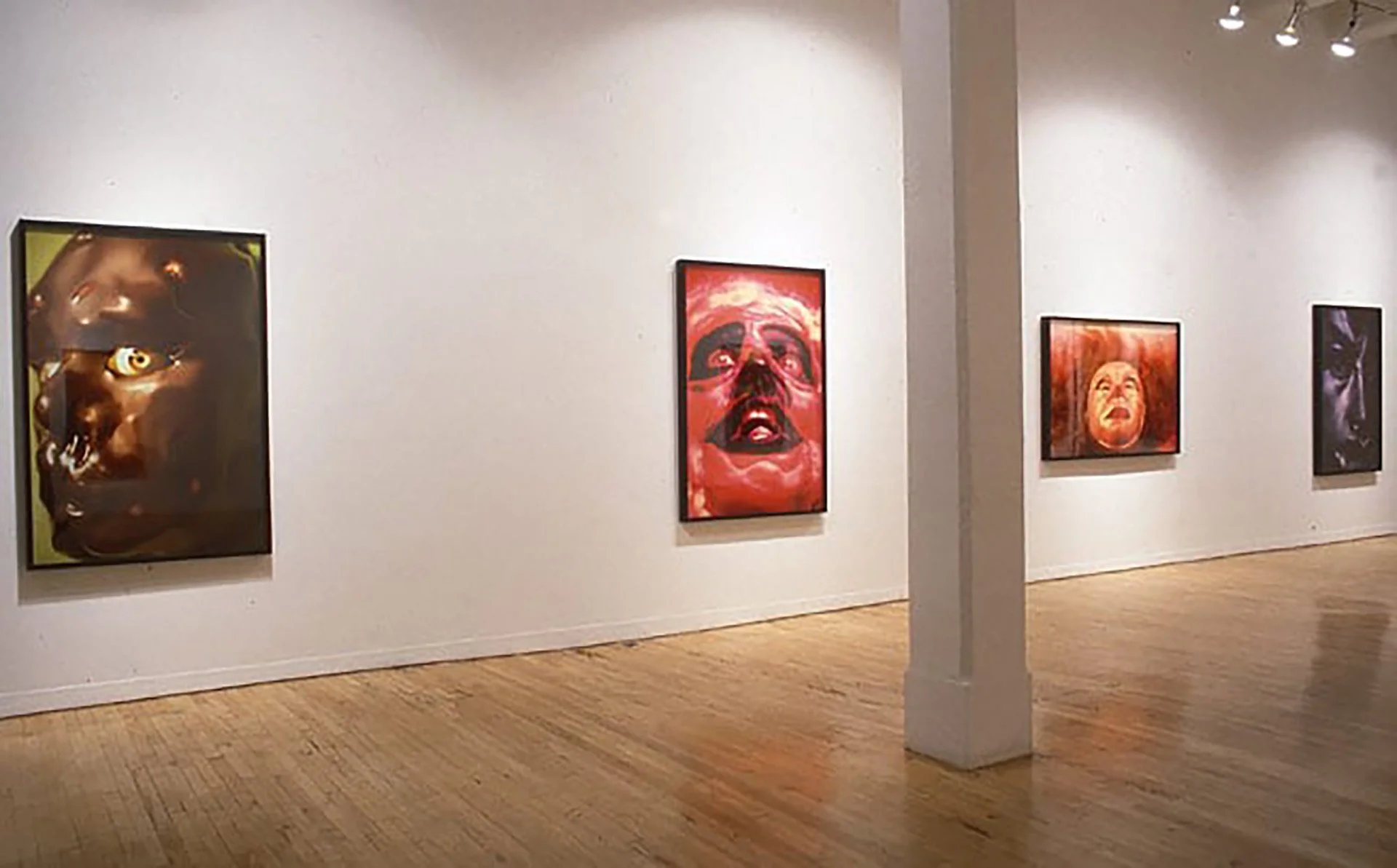
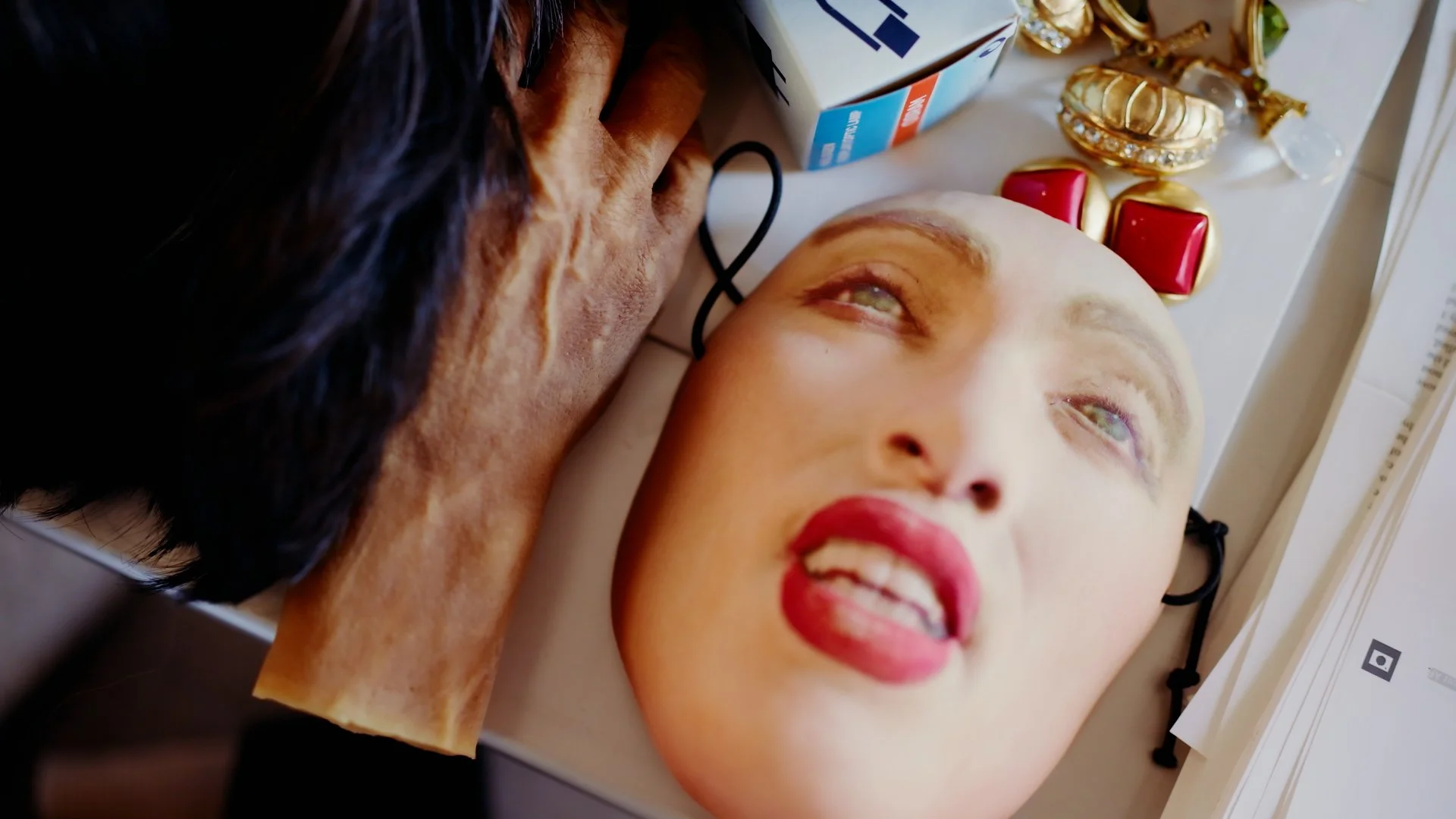
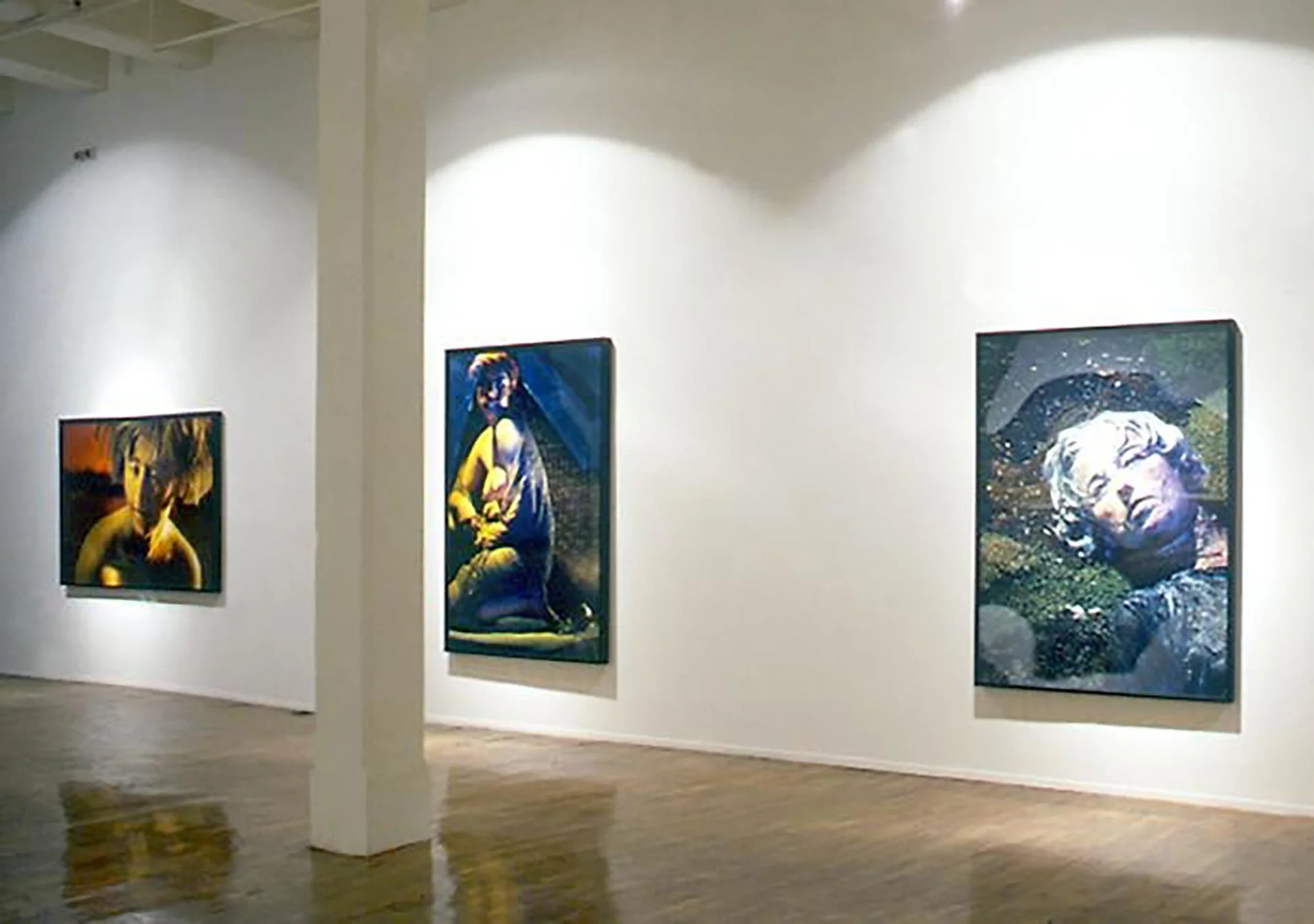
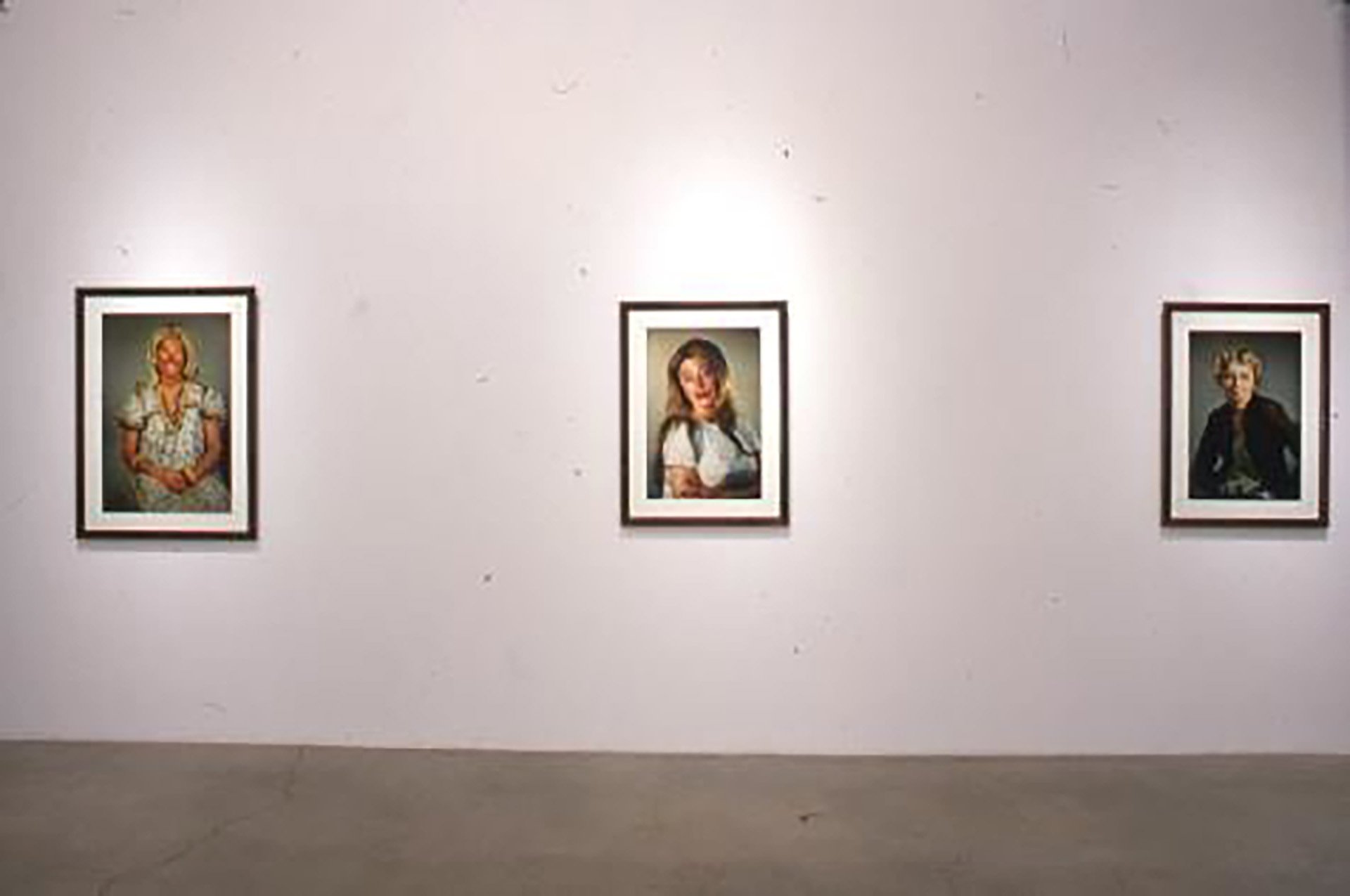
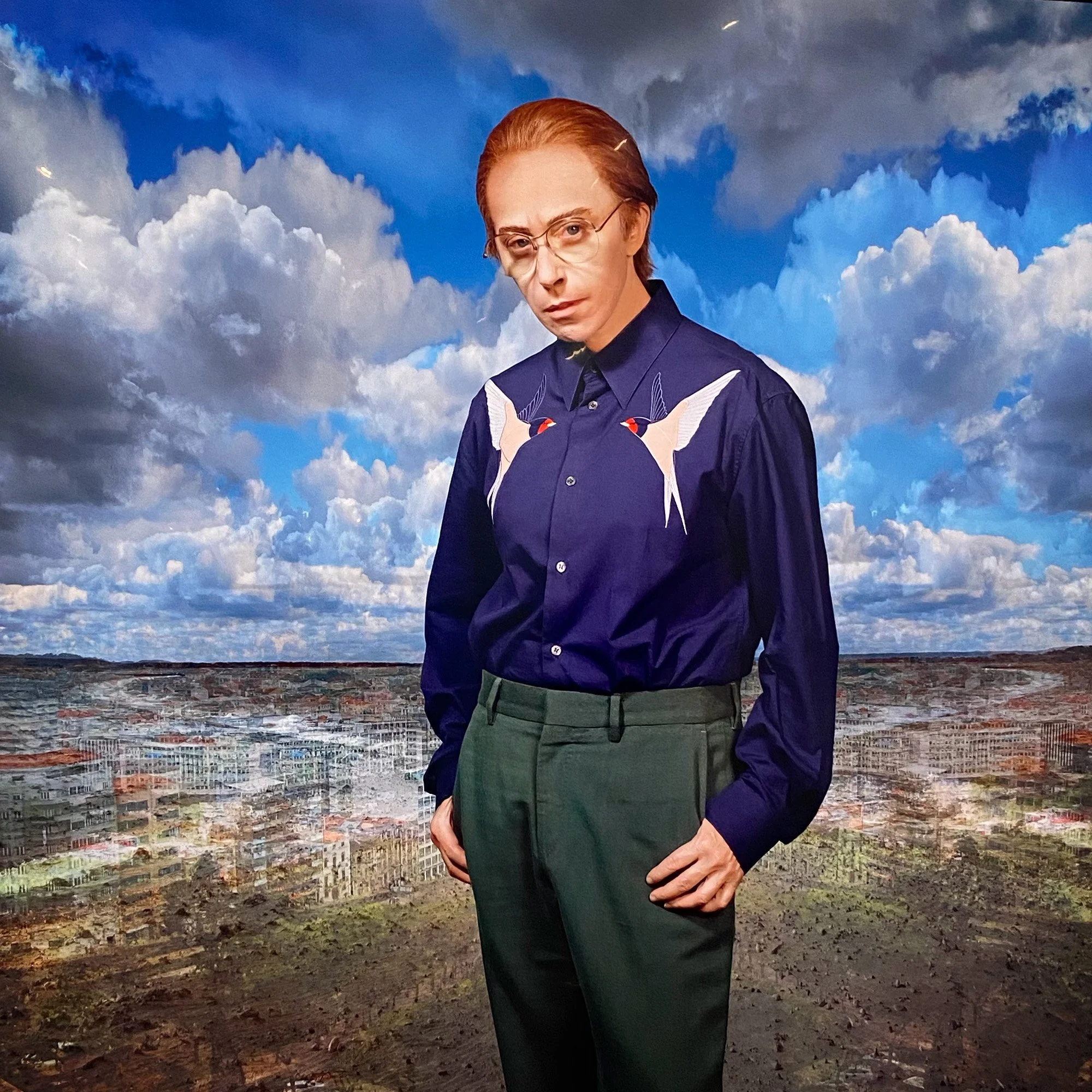
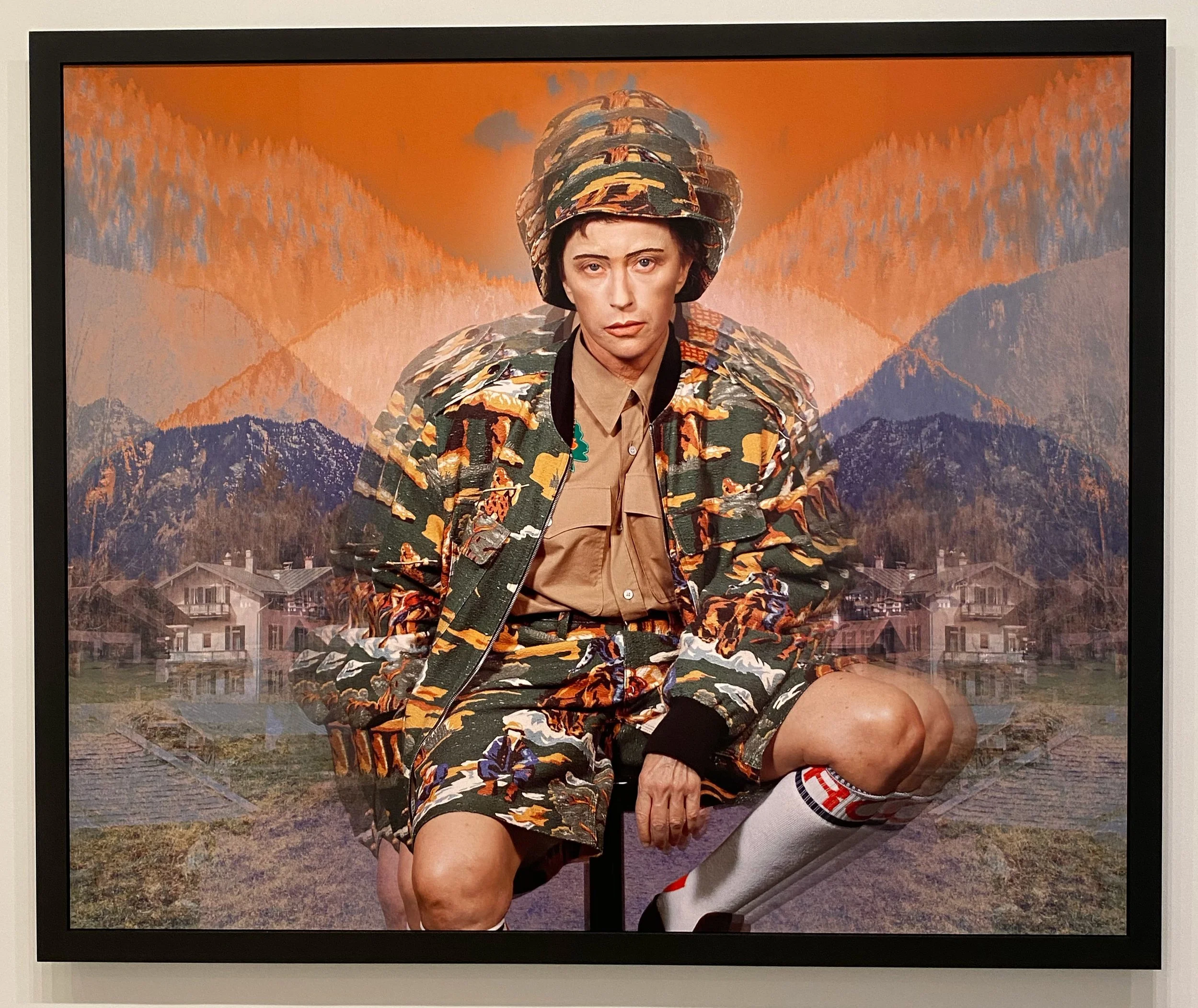
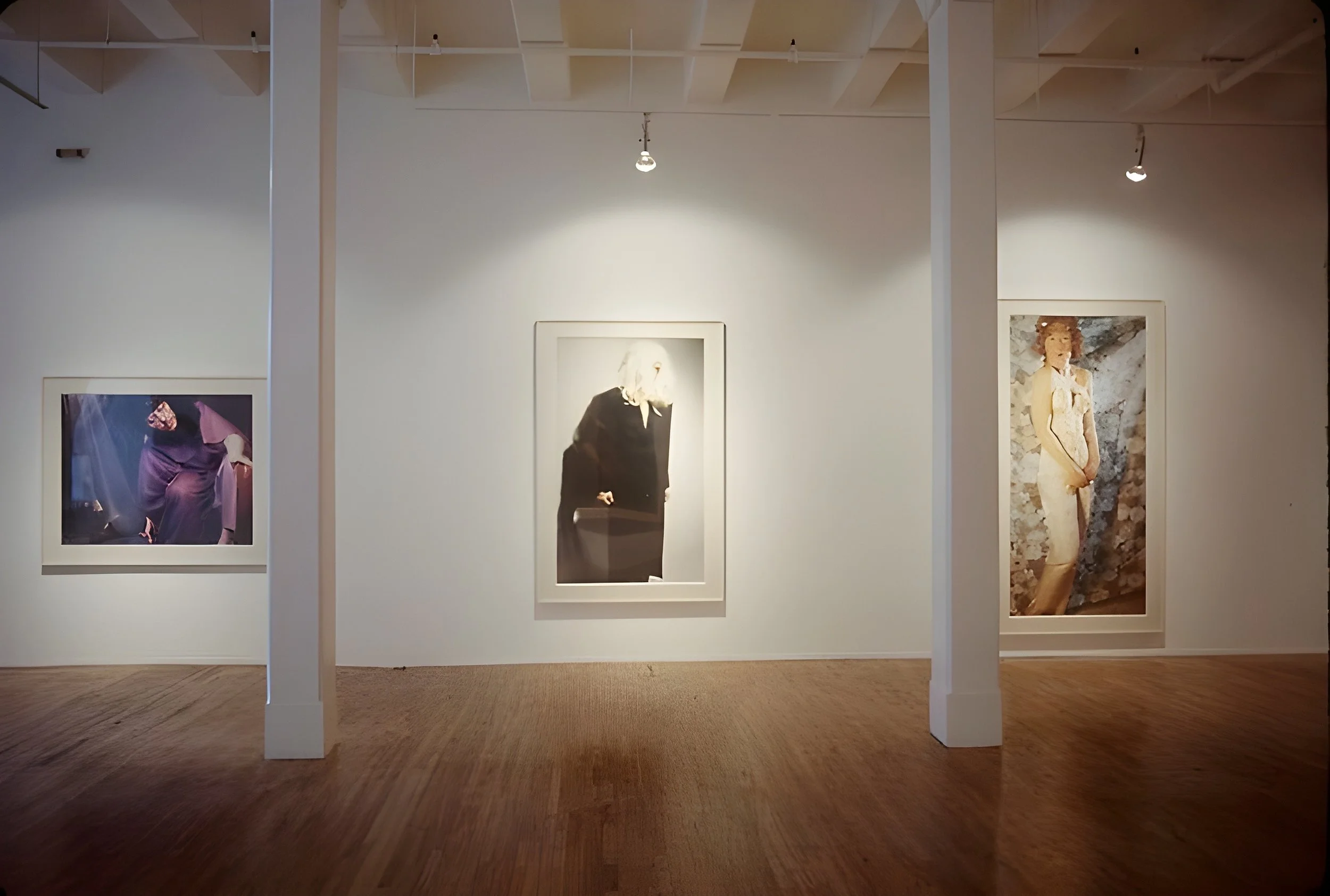
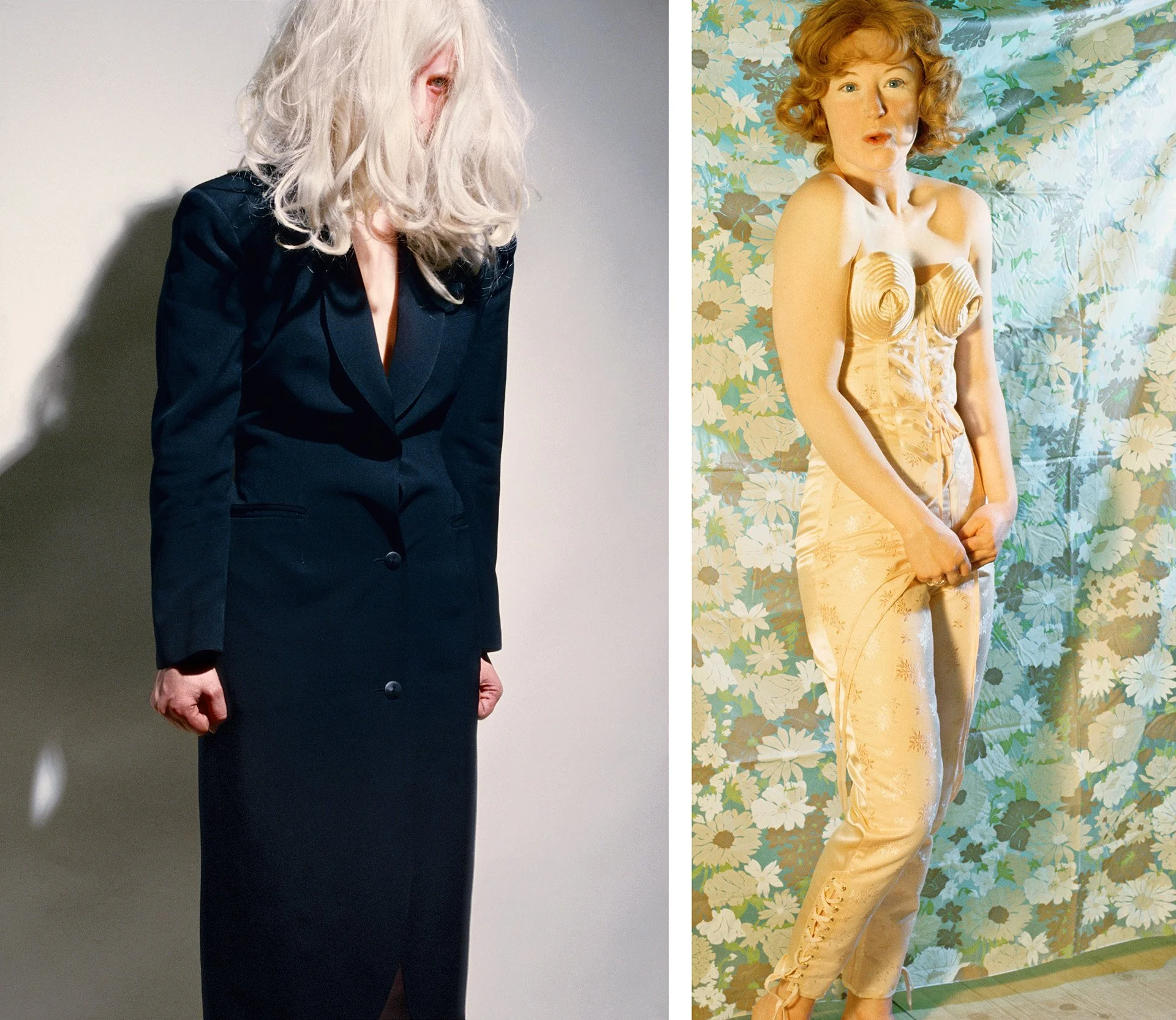
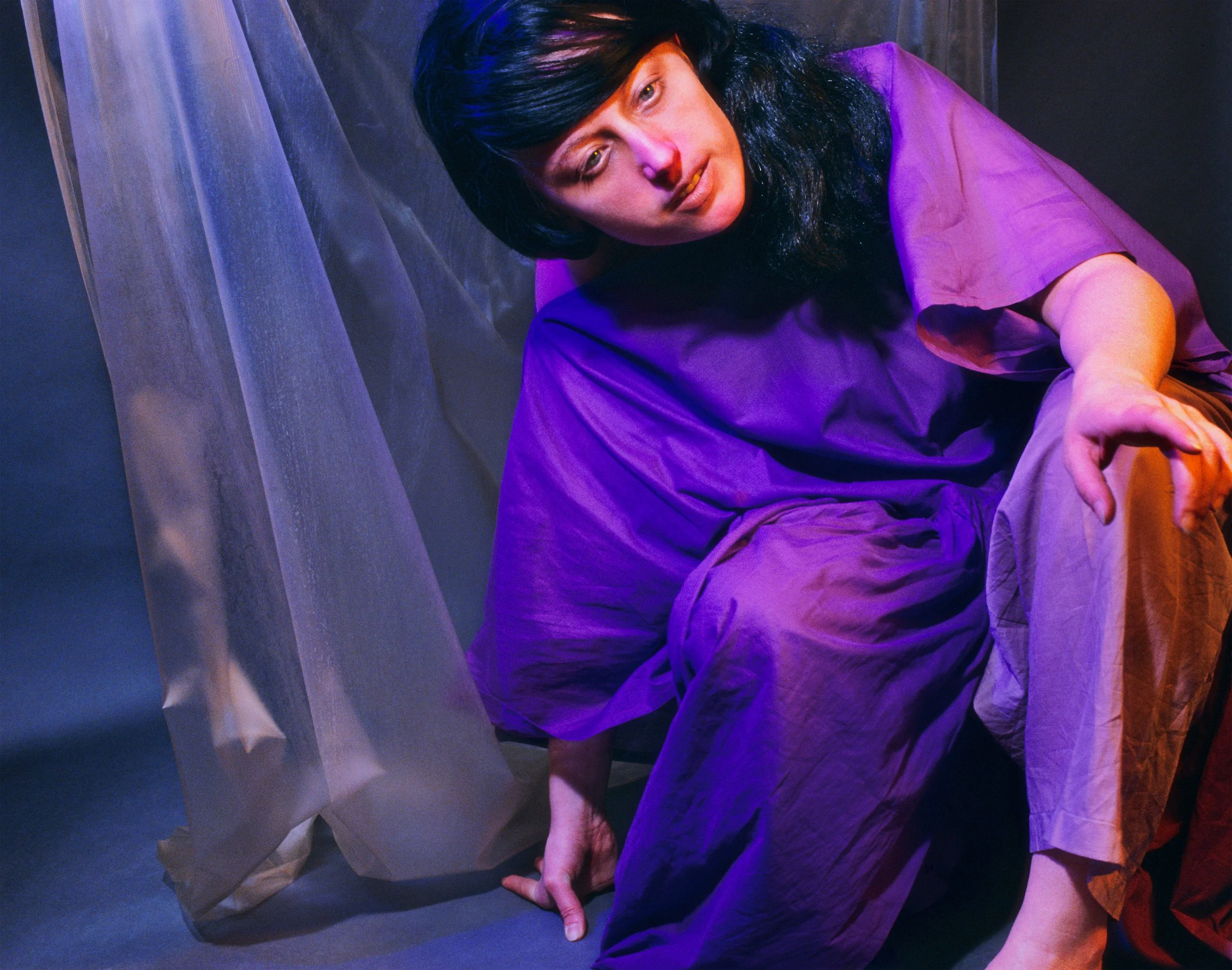
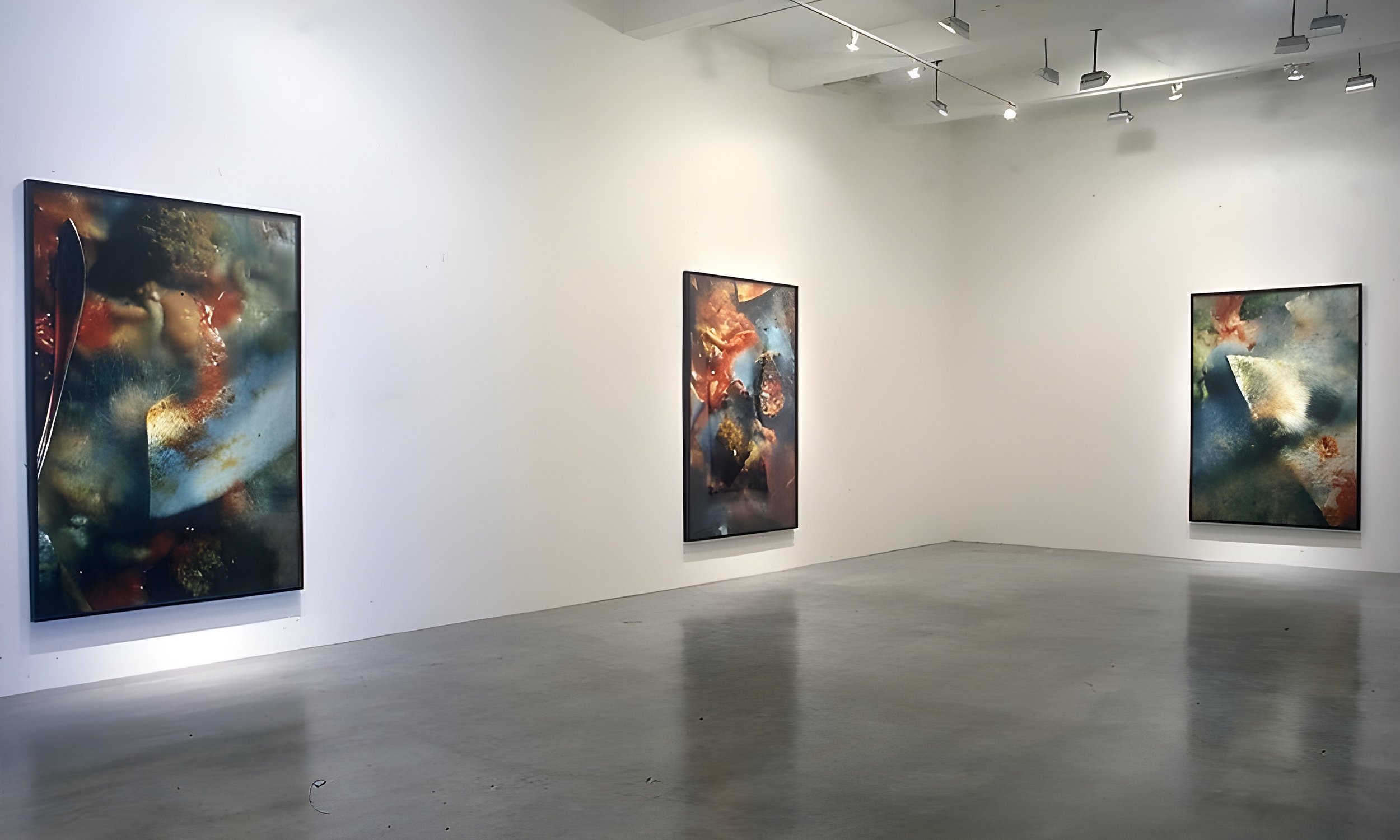
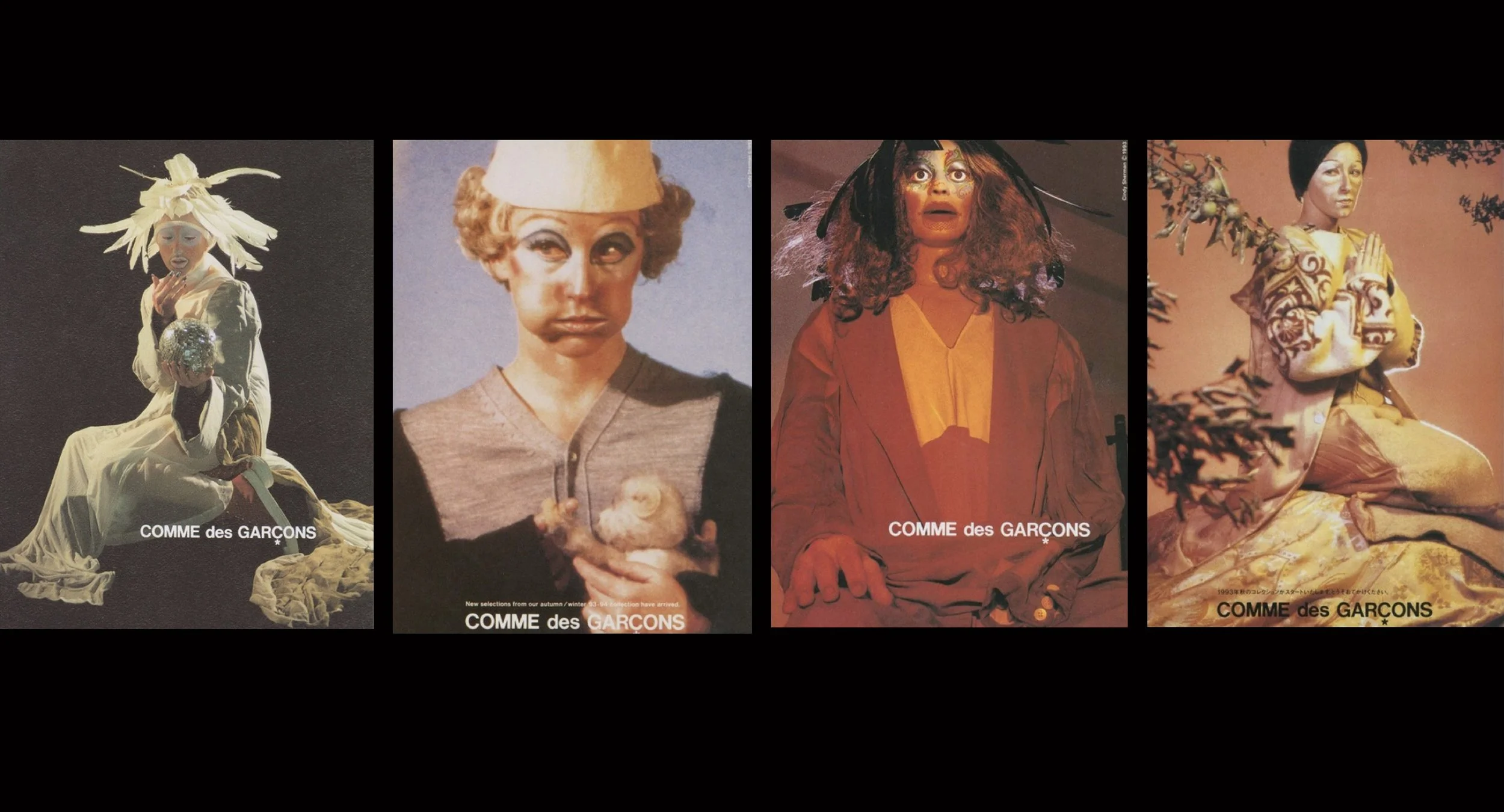
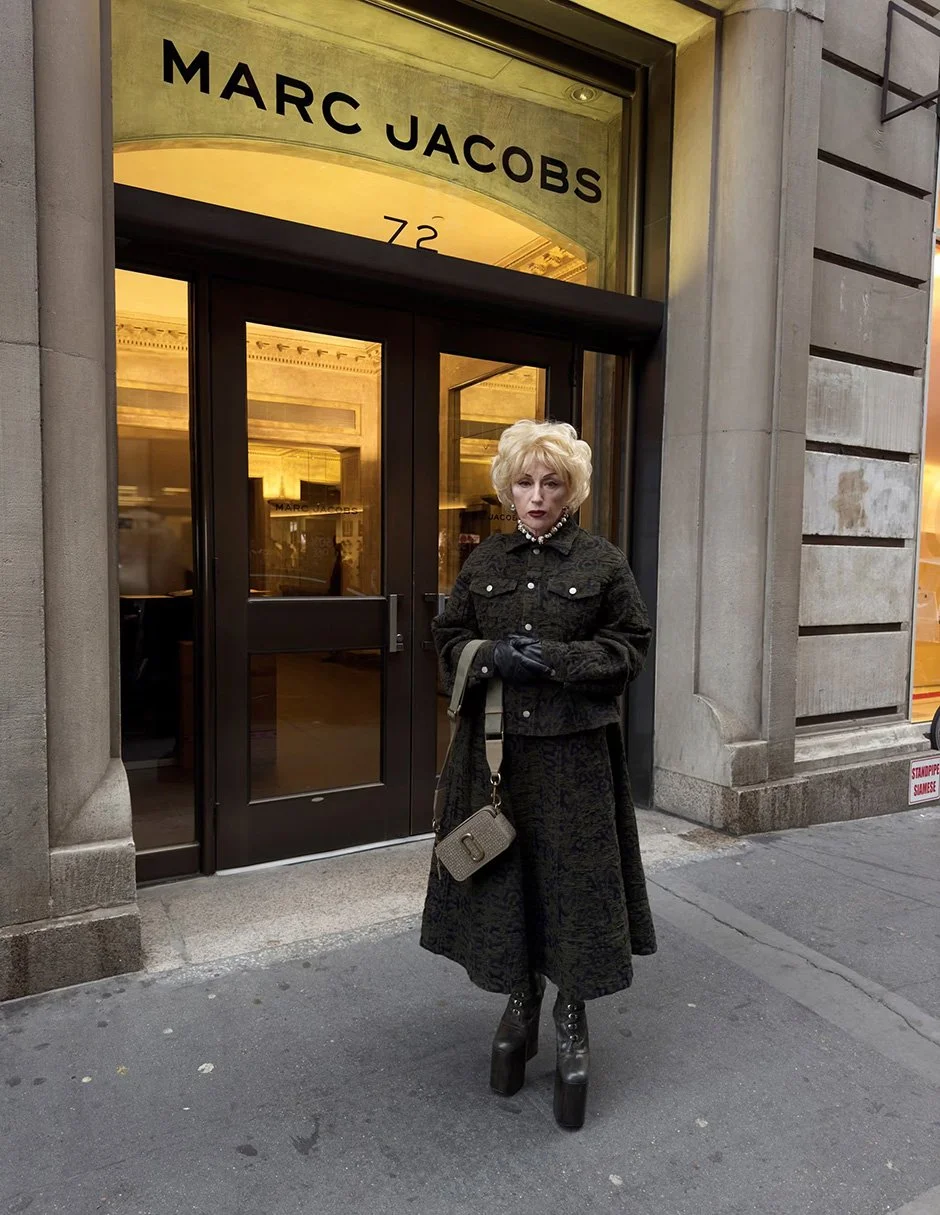
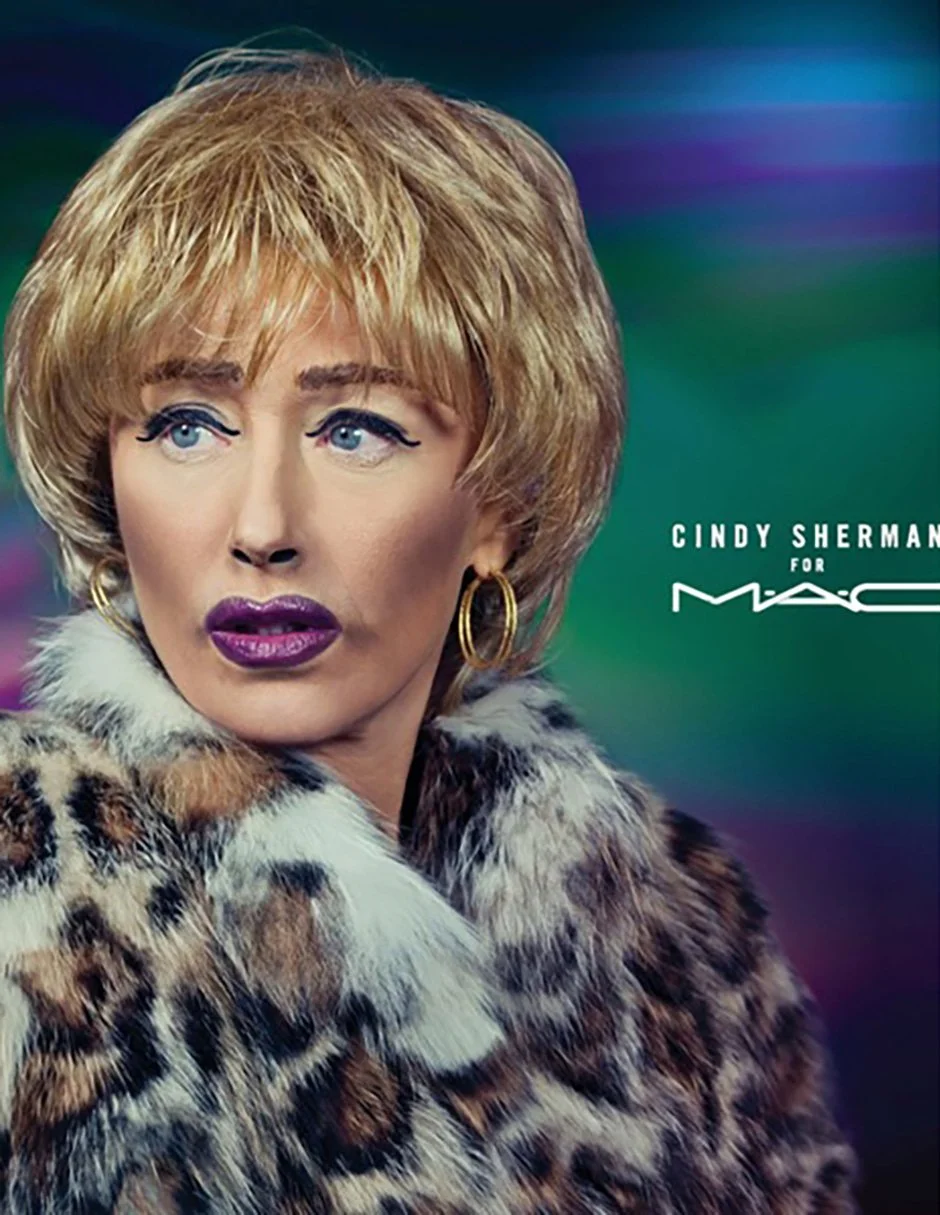
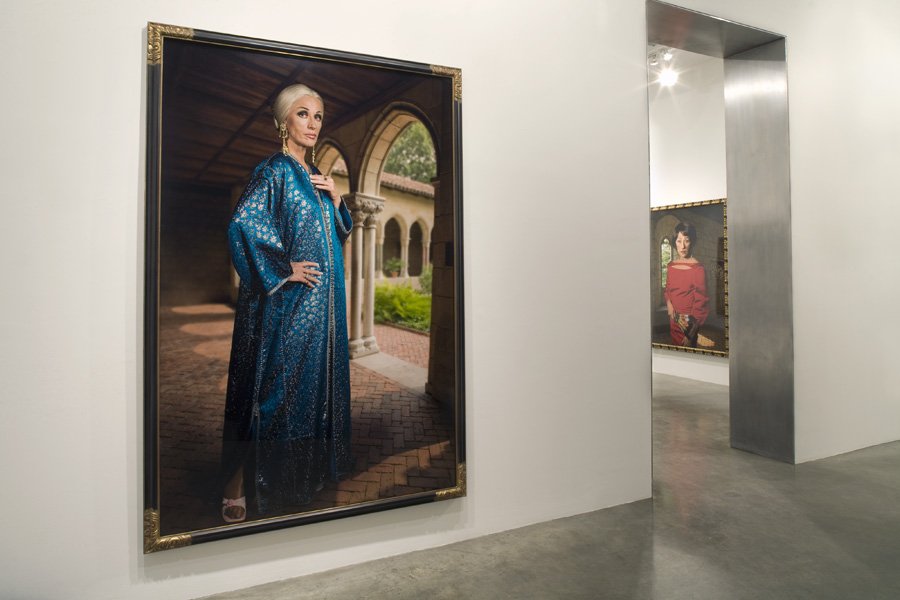
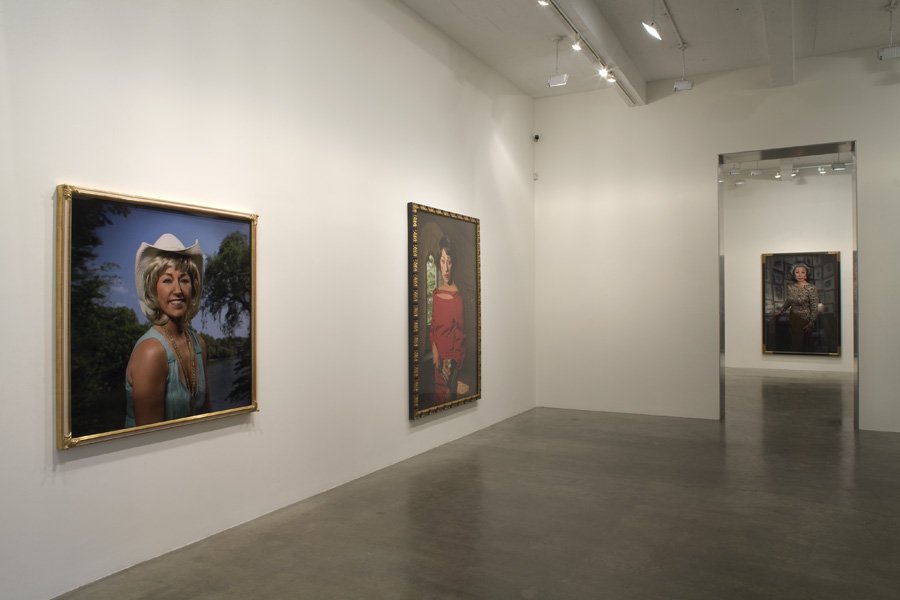
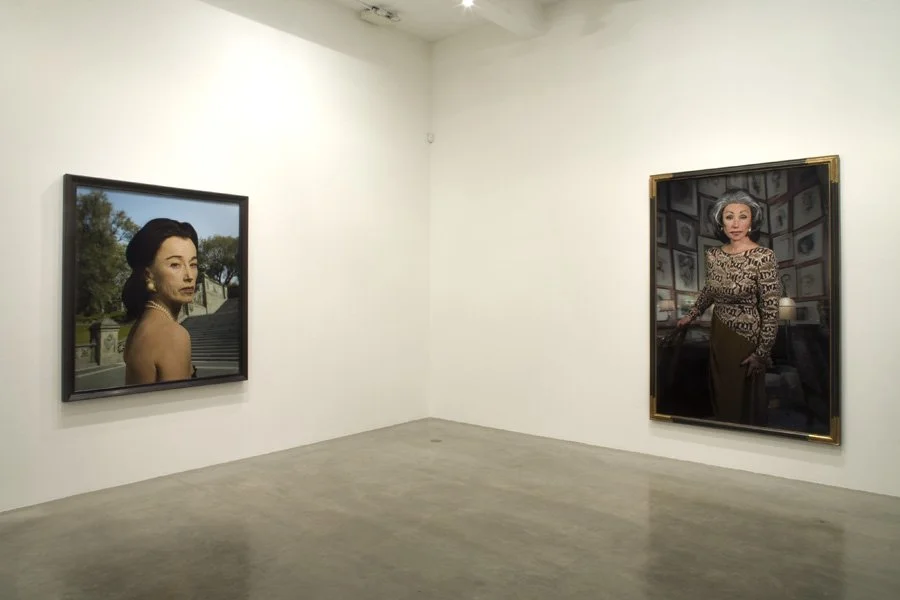
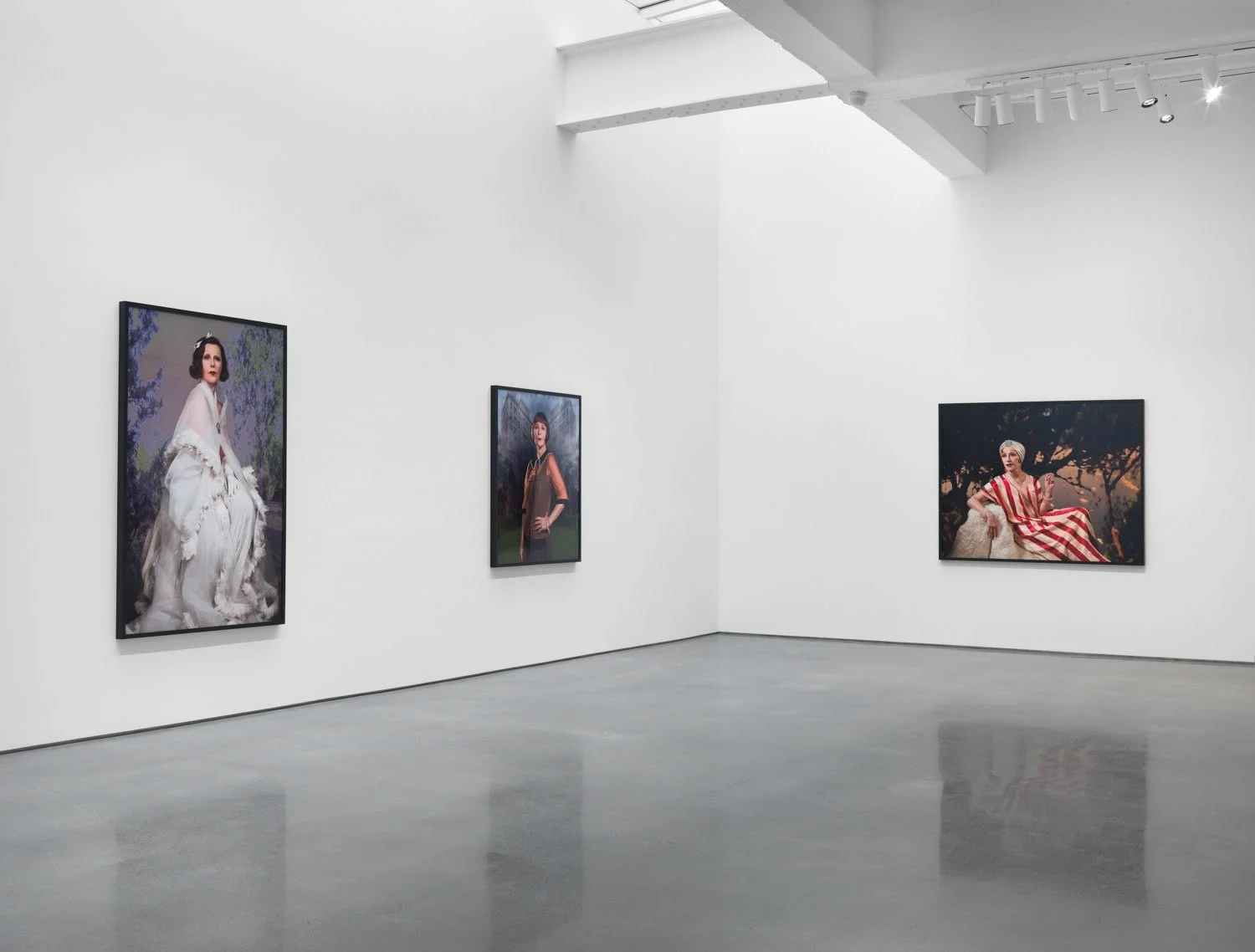
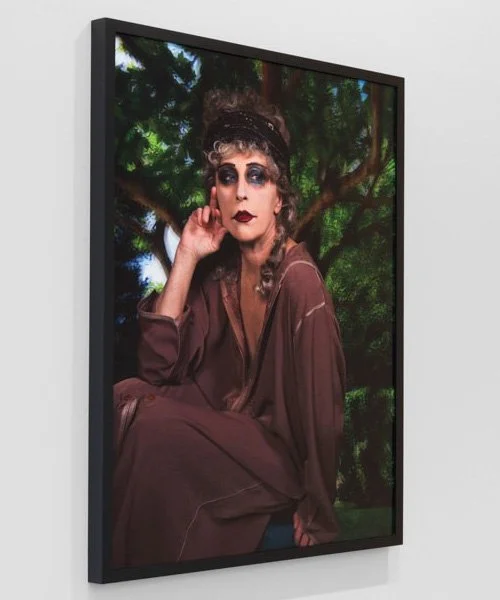
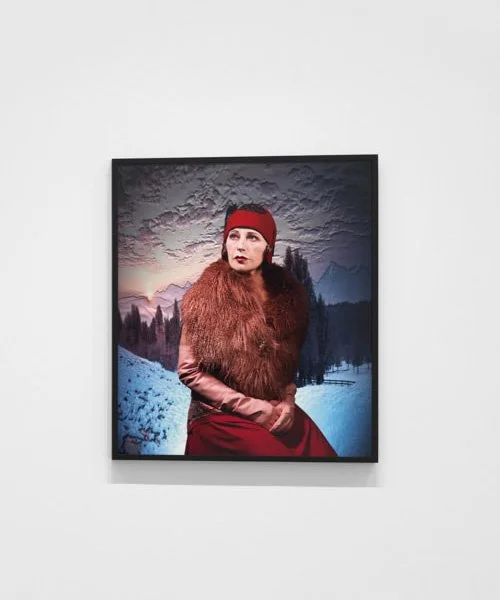
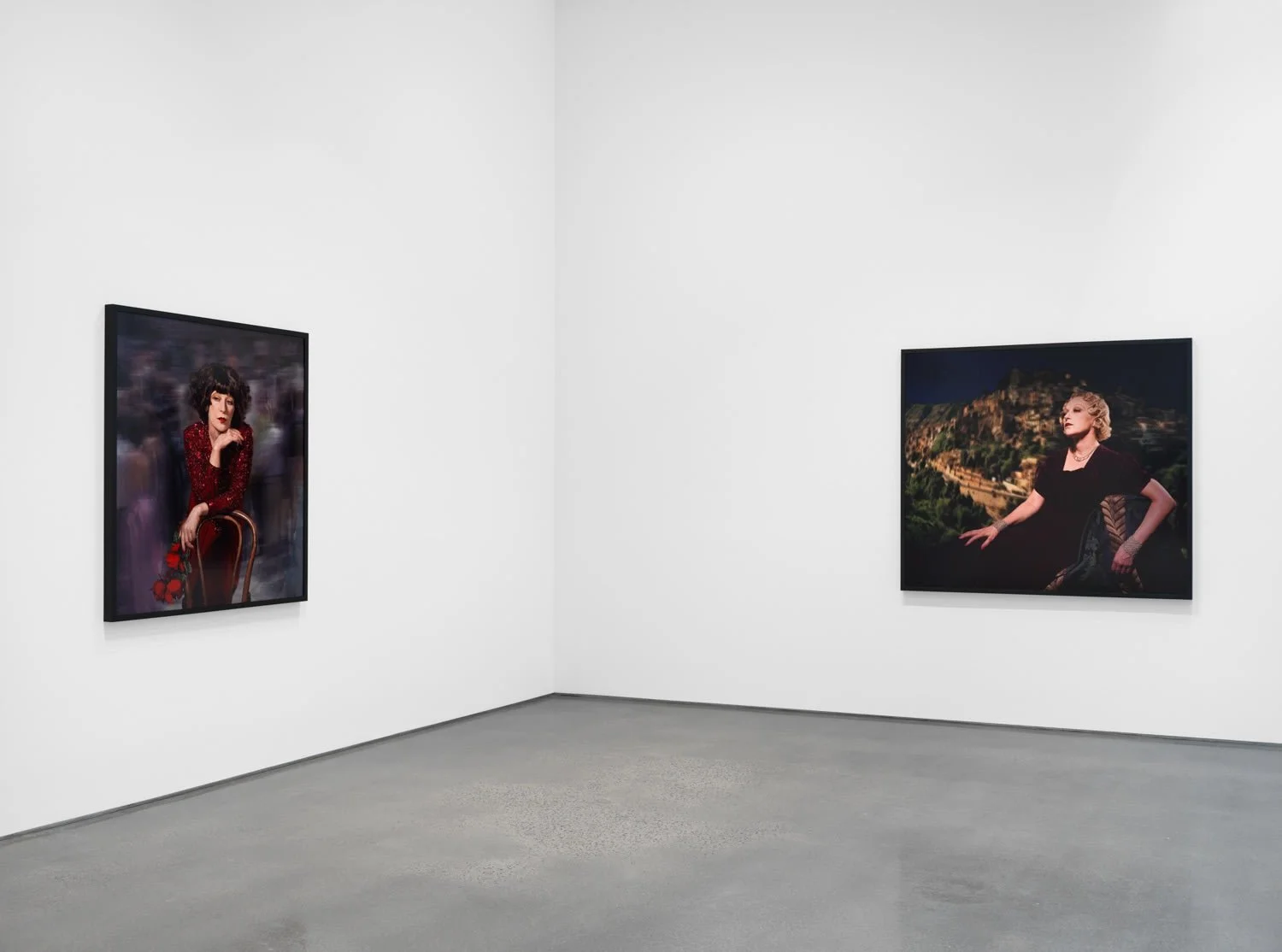
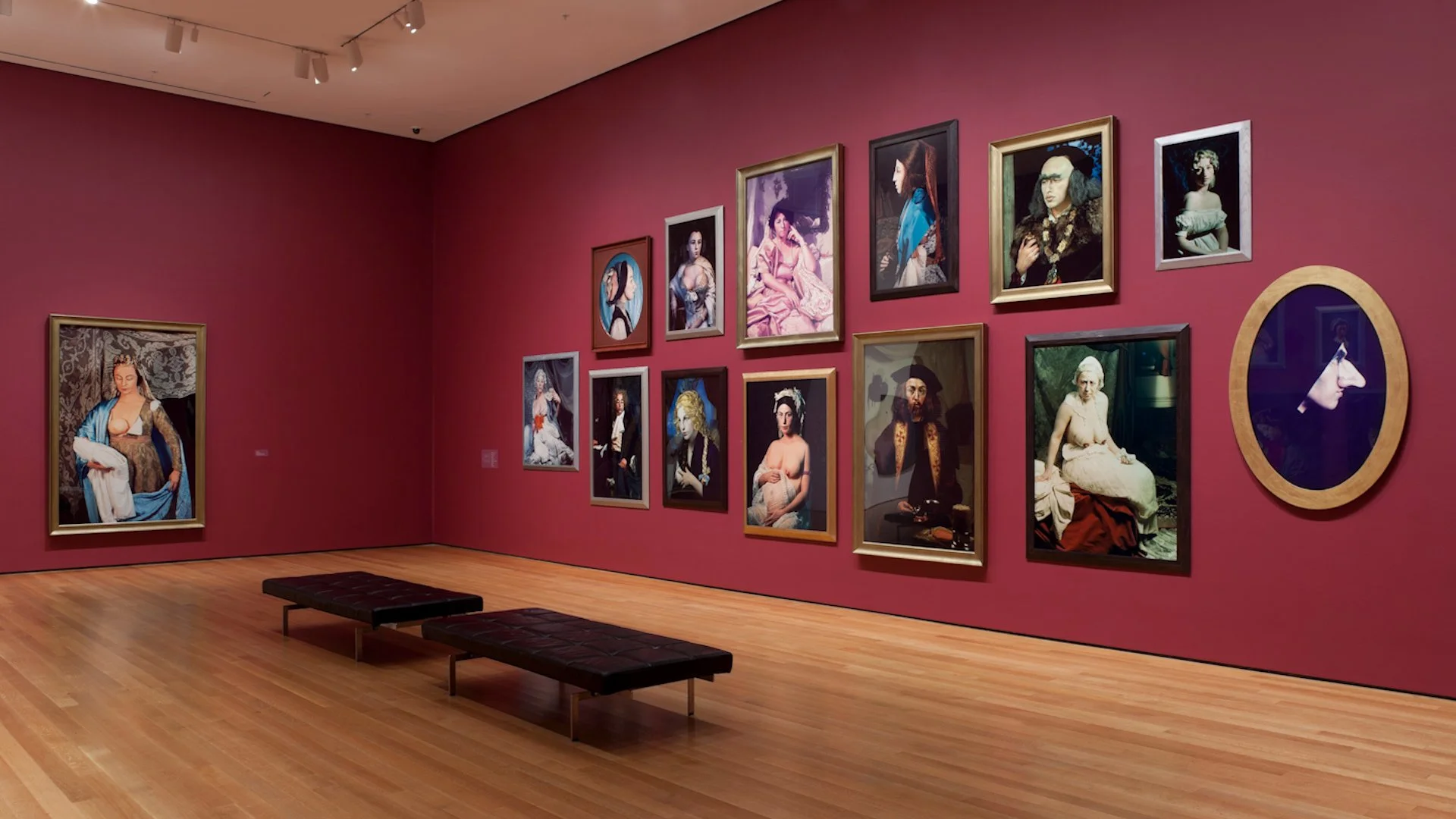
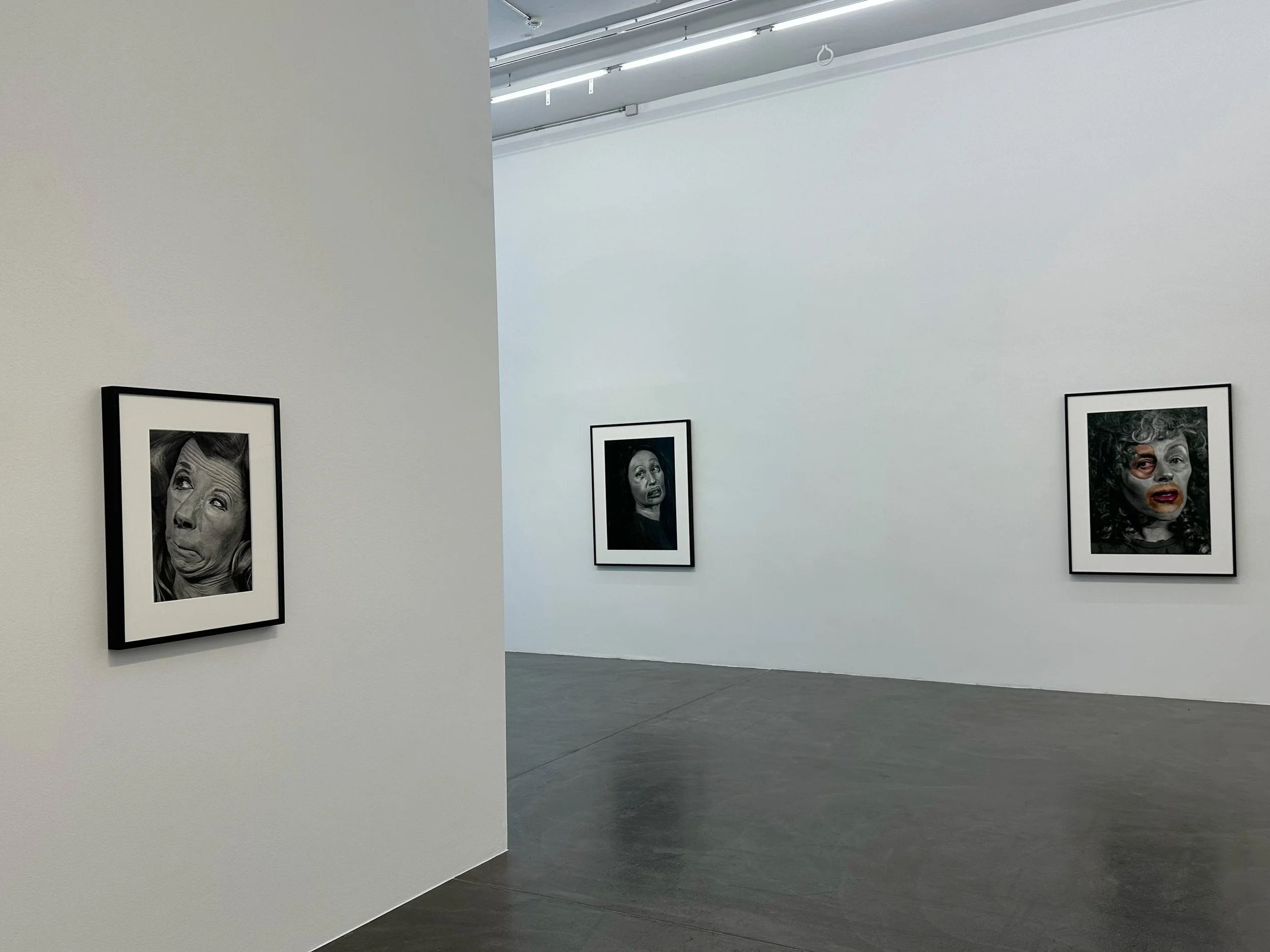
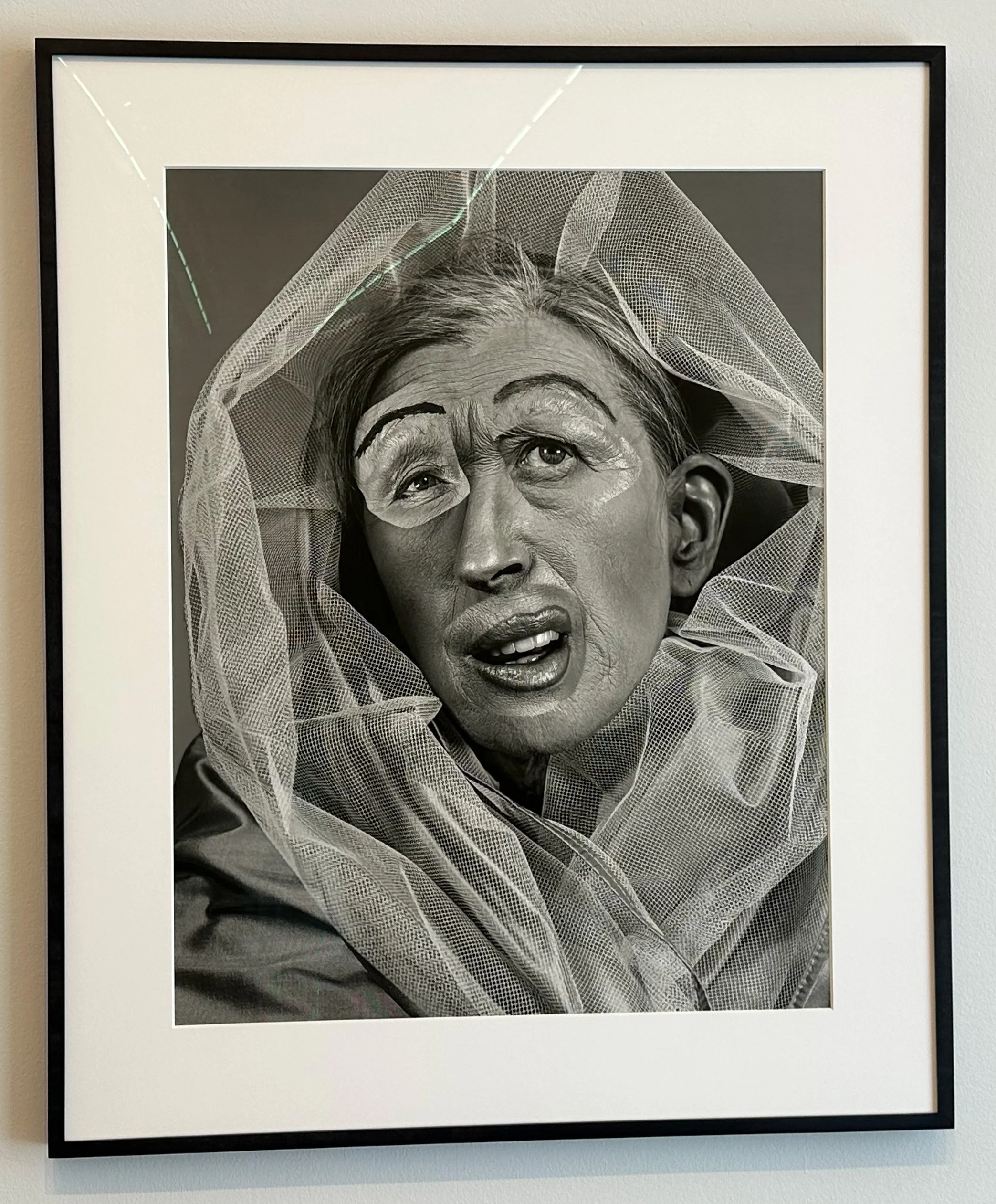
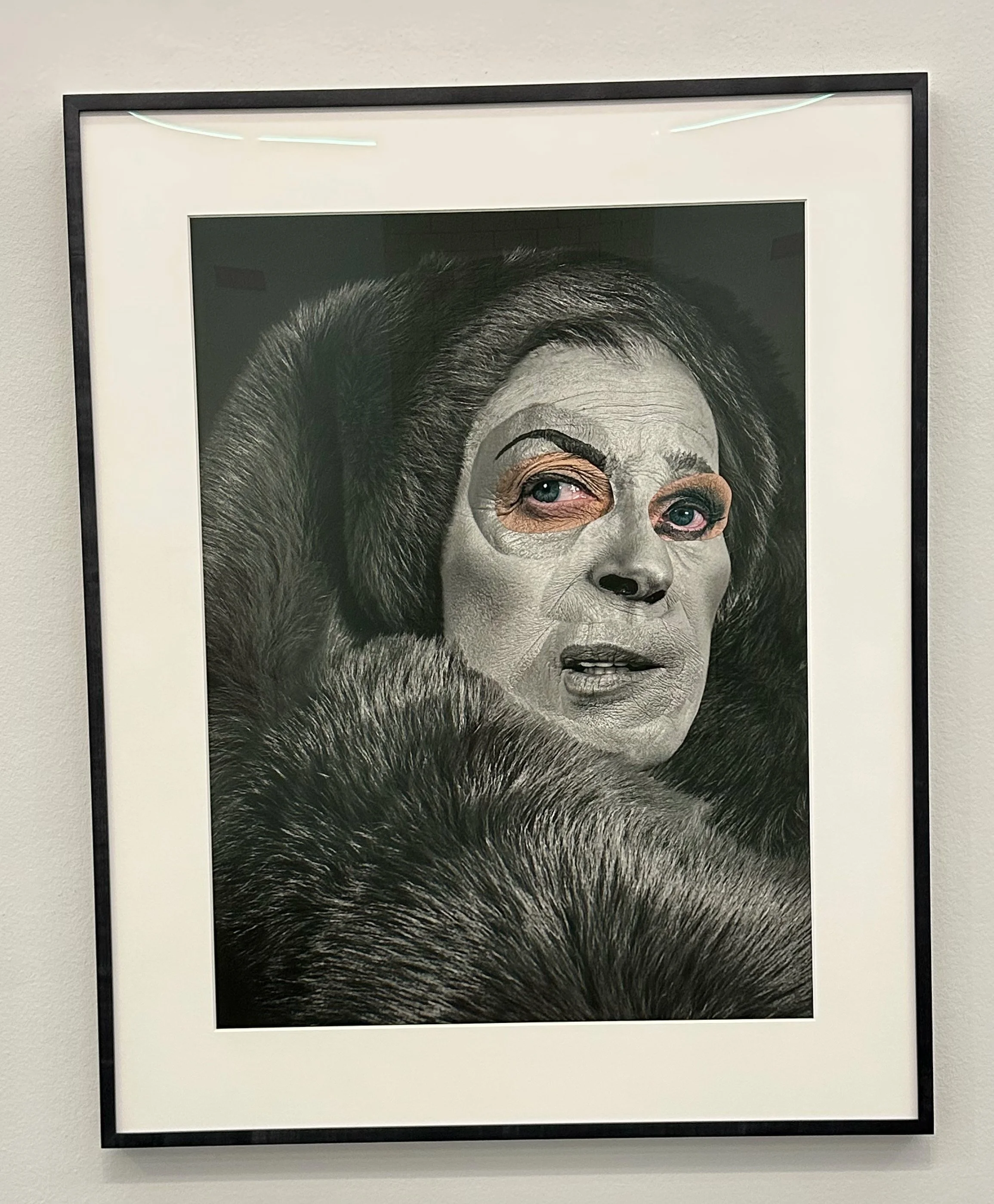
Sherman followed the Film Stills with a number of photographic series, including the History Portraits (1988–90), in which she dressed as subjects portrayed in famous works of Western art history. In 2008, she disguised herself in Society Portraits. This series consisted of monumental photographs in which Sherman made herself up as aging society women in elaborate settings to comment on societal ideas about youth, beauty, and money. She also employs prosthetics, masks, and other theatrical devices to create monstrous and deformed figures, challenging conventional notions of beauty and femininity. While her work is widely regarded as feminist, Sherman herself has spoken candidly about this label. Although her work is often considered feminist in nature, Sherman emphasizes that this is more of an implicit attribute rather than an explicit one, stating: “The work is what it is and hopefully it’s seen as feminist work, or feminist-advised work” (A WOMEN’S THING). She has also implied that the works were created primarily for a female viewership, noting that “everything in it was drawn from my observations as a woman in this culture” (The Art Story).
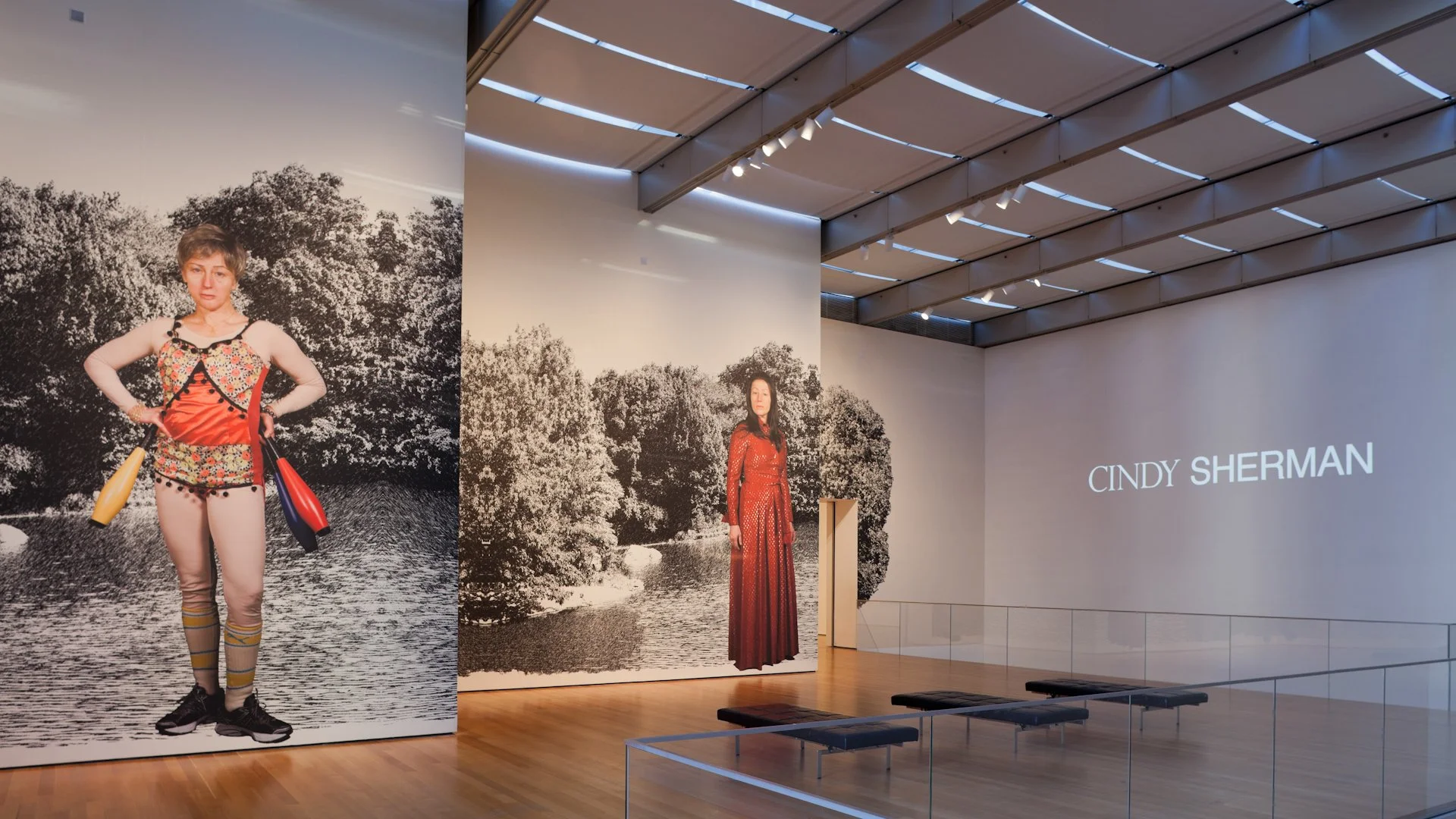
Sherman’s institutional recognition is extraordinary. In 1995, the Museum of Modern Art (MoMA) in New York bought the entire Untitled Film Stills series, and in 2012 hosted a major retrospective of her work. That retrospective traveled to the San Francisco Museum of Modern Art, the Walker Art Center in Minneapolis, and the Dallas Museum of Art. In 2006, Sherman was honored with a retrospective at the Jeu de Paume Museum in Paris. Her first major exhibit in 20 years, Cindy Sherman: Imitation of Life, was displayed at The Broad in Los Angeles from June to October 2016, including 120 images spanning her career. More recent solo exhibitions include shows at the Fondation Louis Vuitton in Paris (2021), the National Portrait Gallery in London (2019), and the Museum of Cycladic Art in Athens (2024).
Her work is held in the permanent collections of the Tate Gallery in London, the Museum of Modern Art, and the Metropolitan Museum of Art, among others. Sherman has received numerous awards, including the Hasselblad Foundation International Award in Photography in 1999 and a MacArthur Foundation fellowship in 1995.
As one scholar put it: “Cindy Sherman’s works are photographs. She is not a photographer but an artist who uses photography” (Brooklyn Museum). Each image is built around a photographic depiction of a woman, each of those women being Sherman herself. She is simultaneously an artist and a muse transformed, chameleon-like, into a glossary of pose, gesture, and facial expression. It is this relentless, shape-shifting interrogation of identity and representation that has cemented her place as one of the most important artists of our time.
Our short documentary, Cindy Sherman: Picture This reveals a side of the enigmatic artist rarely seen on film, and premiered at the Bentonville Film Festival in June 2026. It will be presented at multiple festivals including including On Art - Poland, Women Over 50 Film Festival, Saturn Returns Film Festival, Chesapeake Film Festival, Buffalo International Film Festival and Naples International Film Festival. Find out more here.
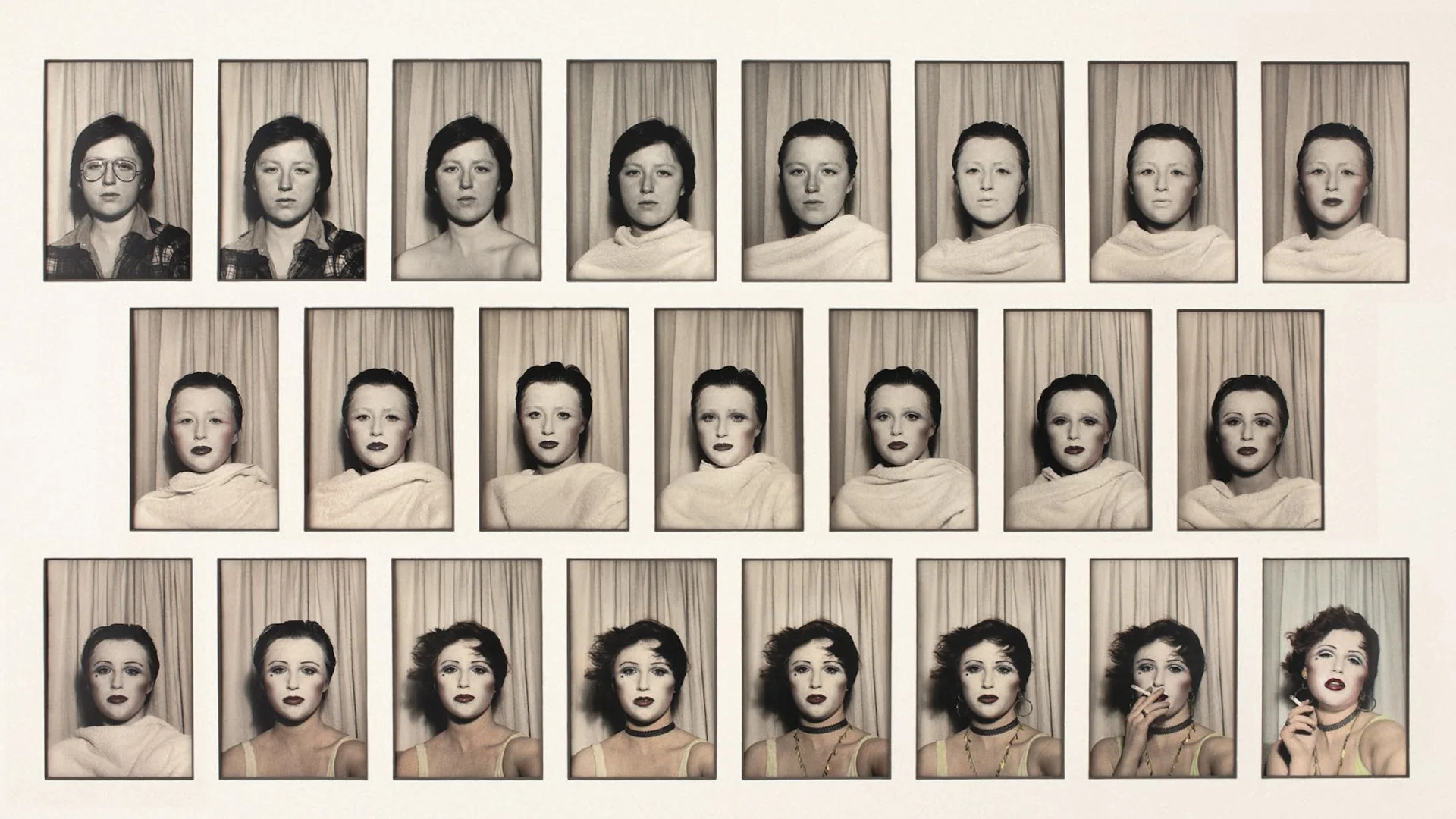
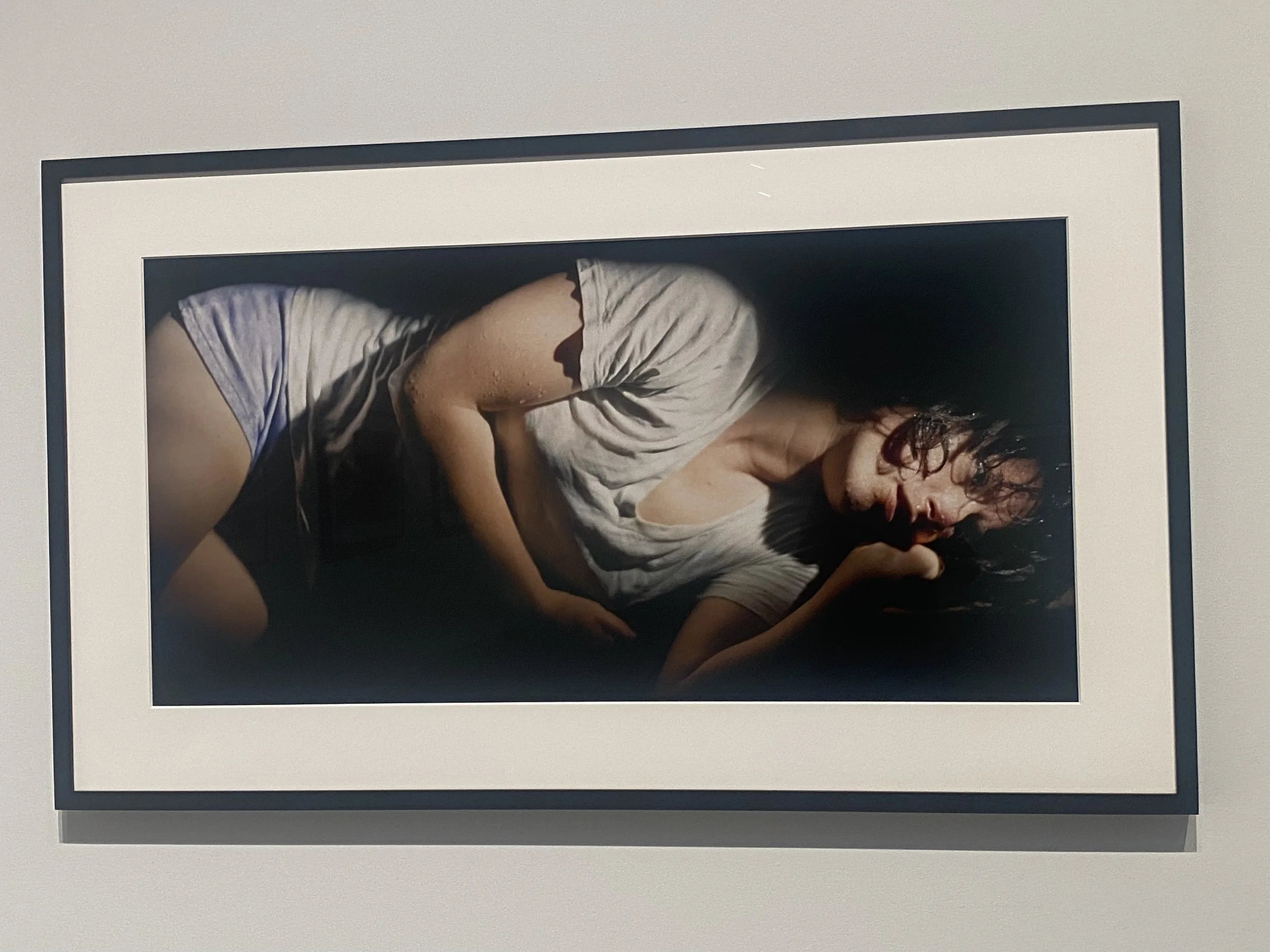
“I wanted people to make up their own story in their own head, which is why I didn’t want to title anything.”
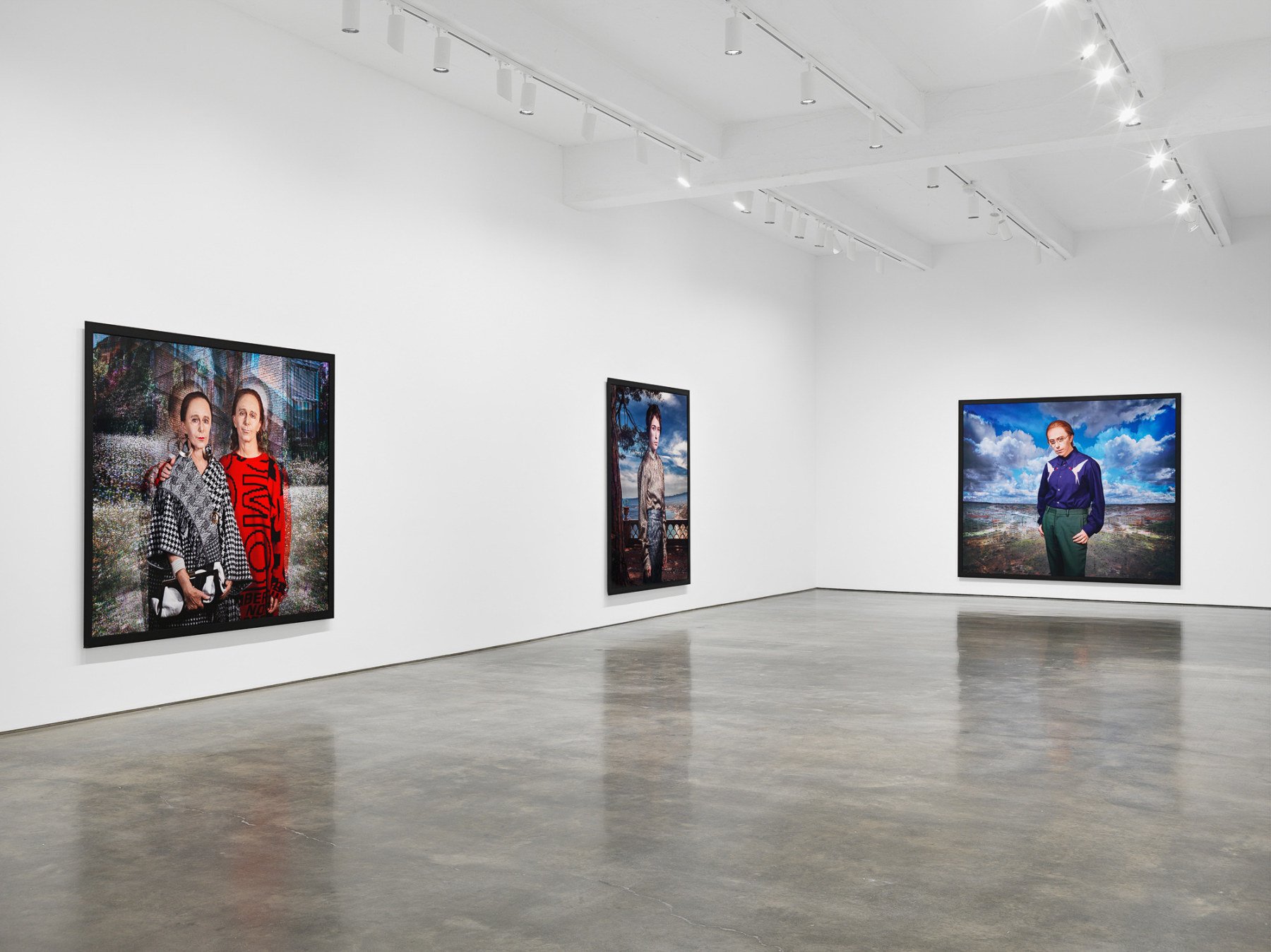
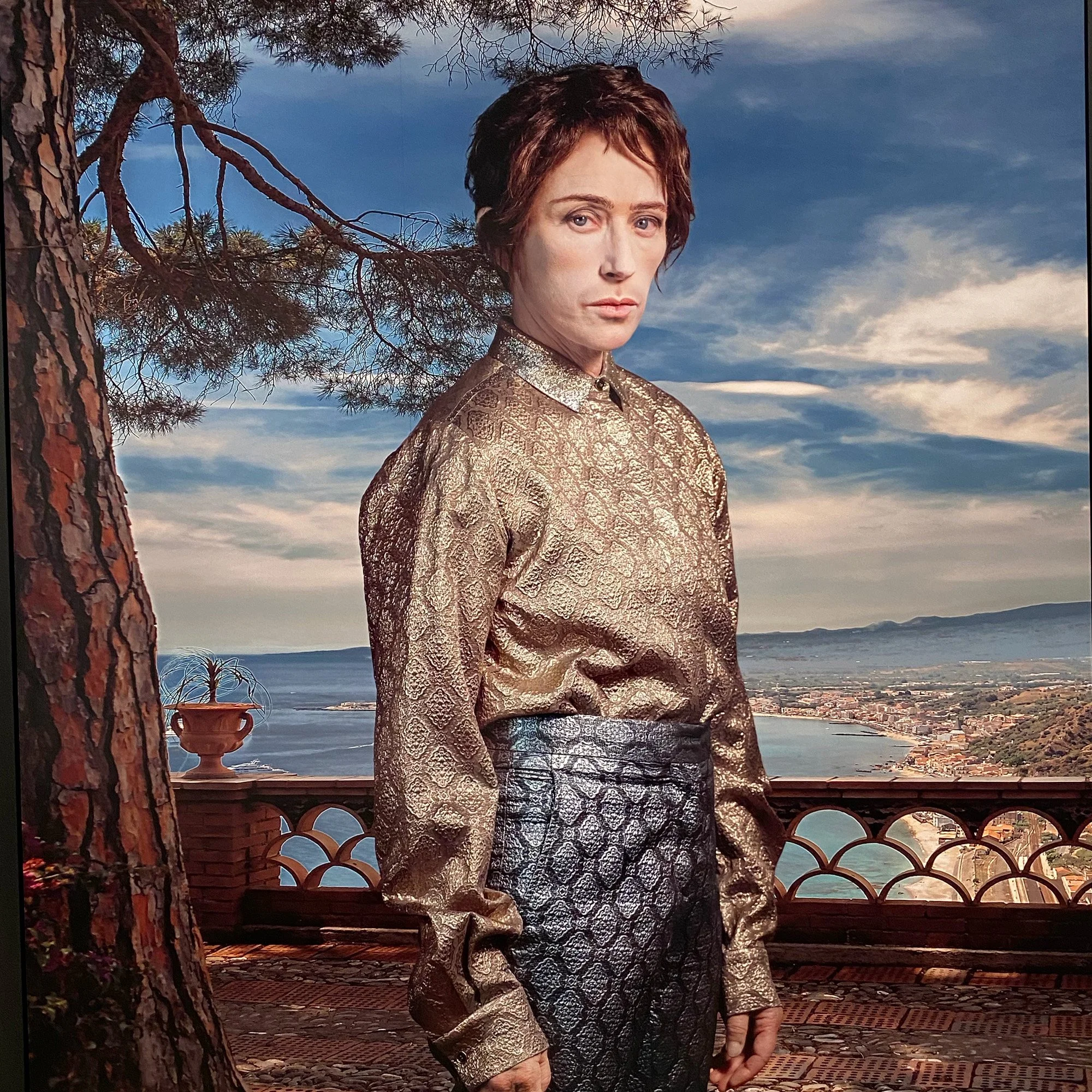
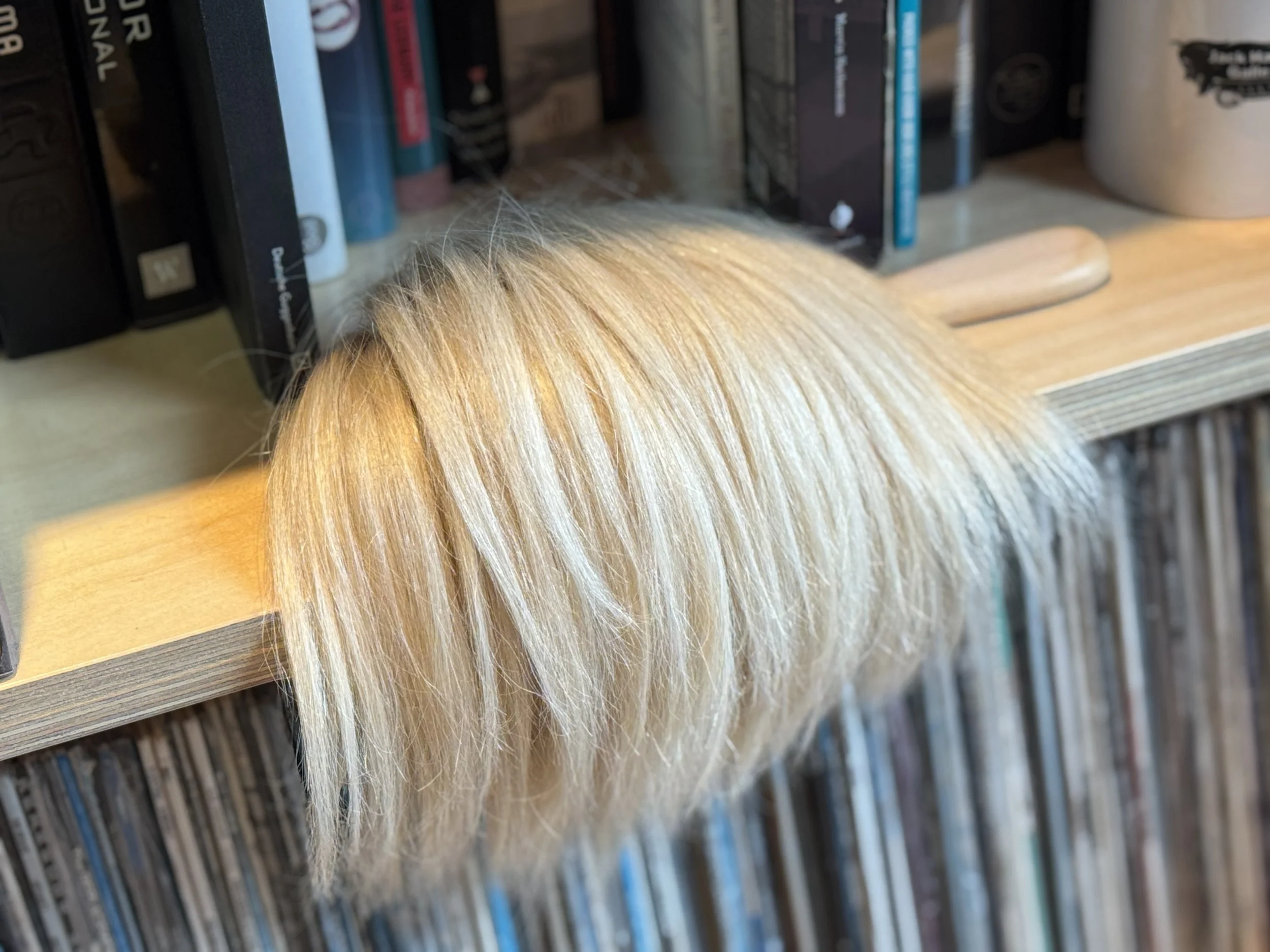
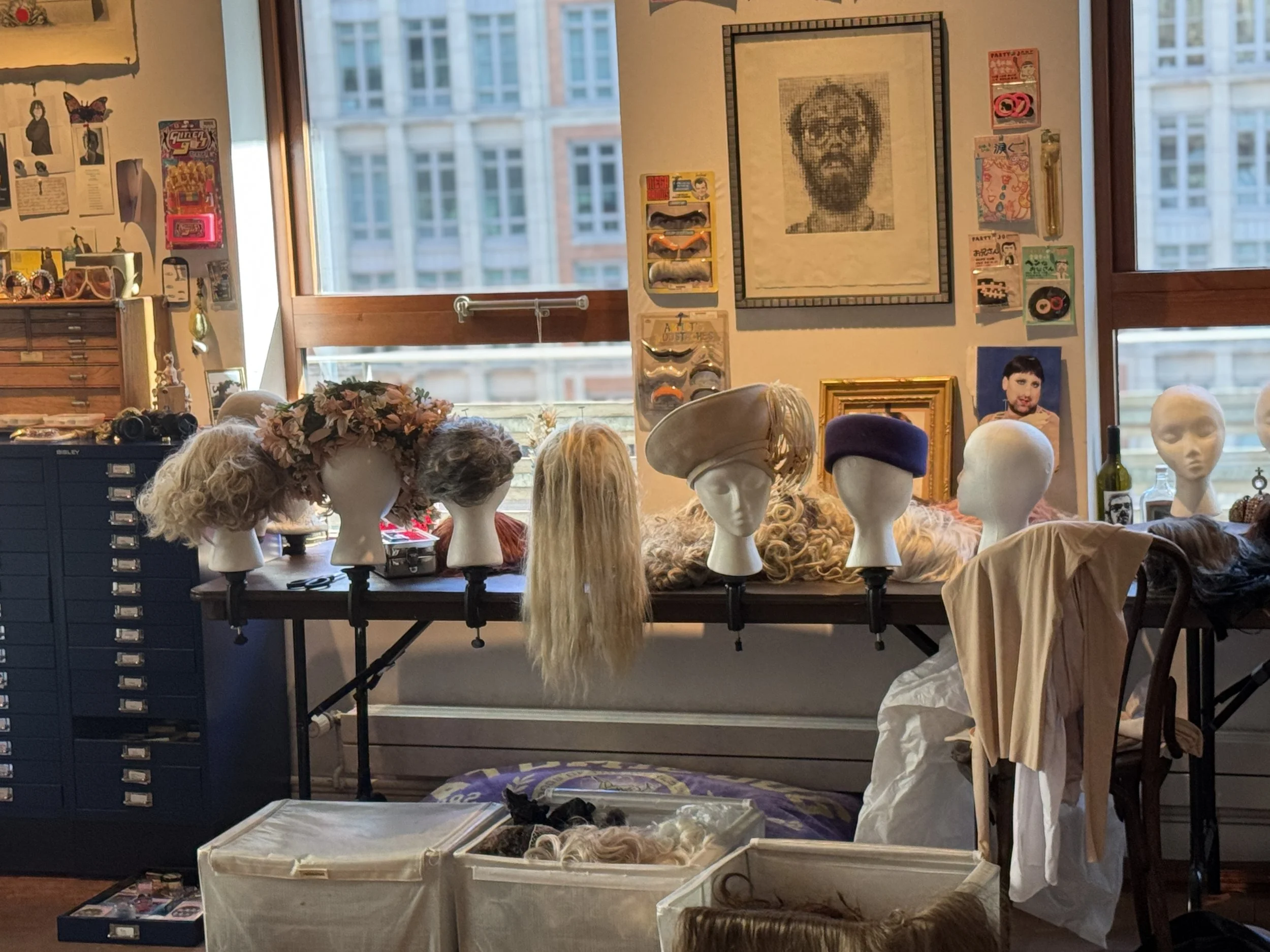
“I would, before going to work, sometimes be at home, dressing up as a character, and then realize, “Oh, I’ve got to go to work.” And then kind of once I just sort of said, “Well, maybe I should just go like this.” And so I did.”
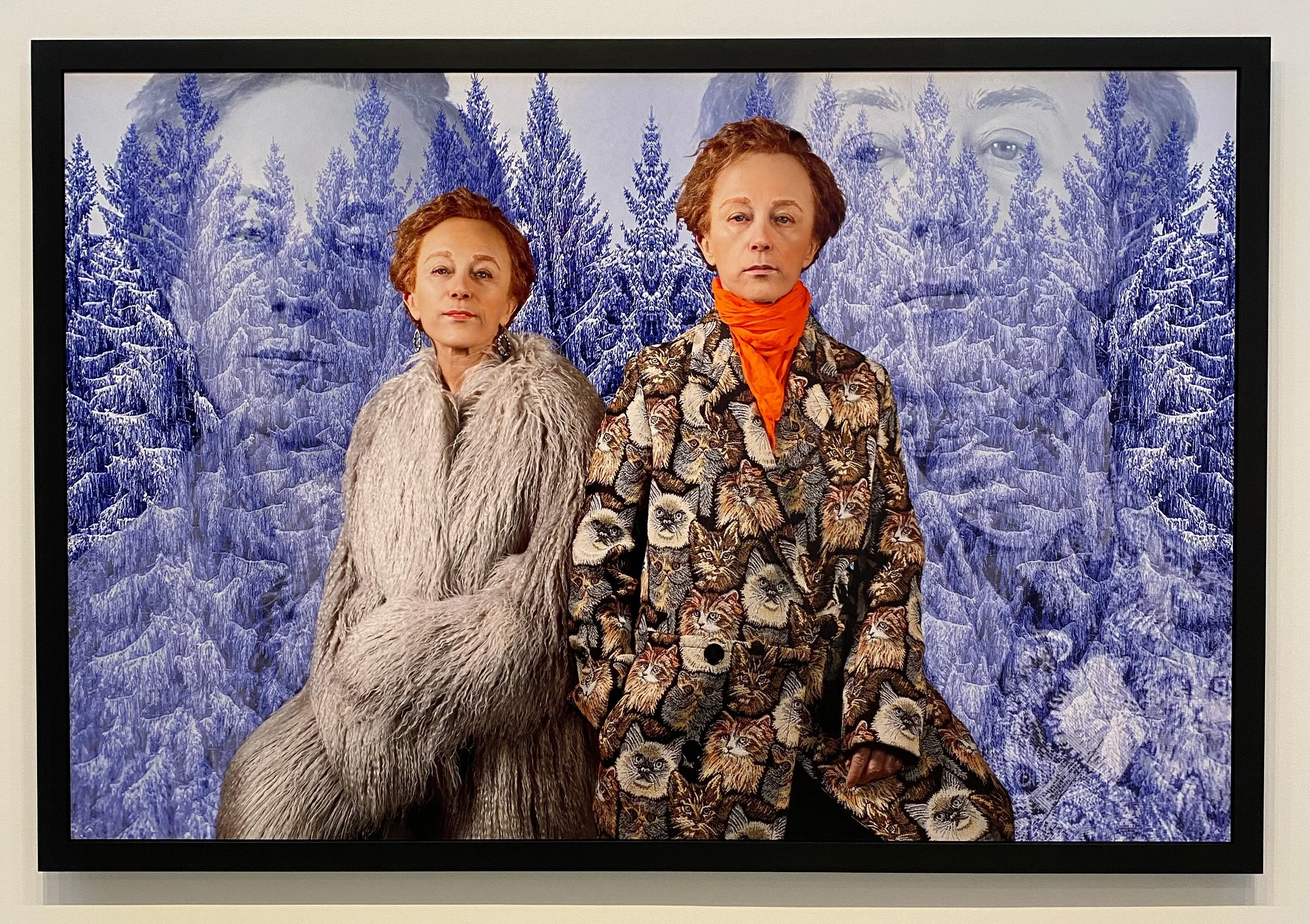
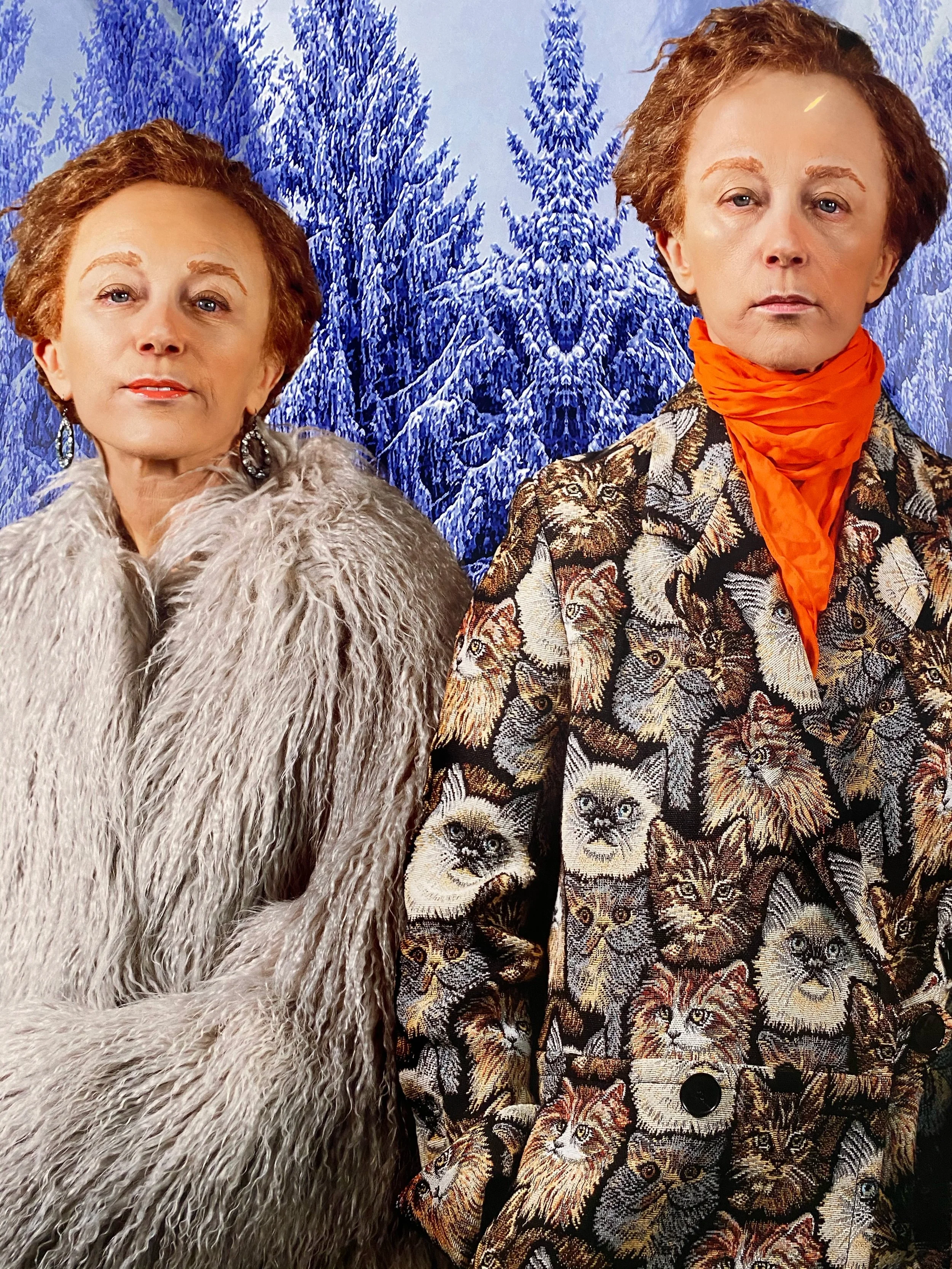
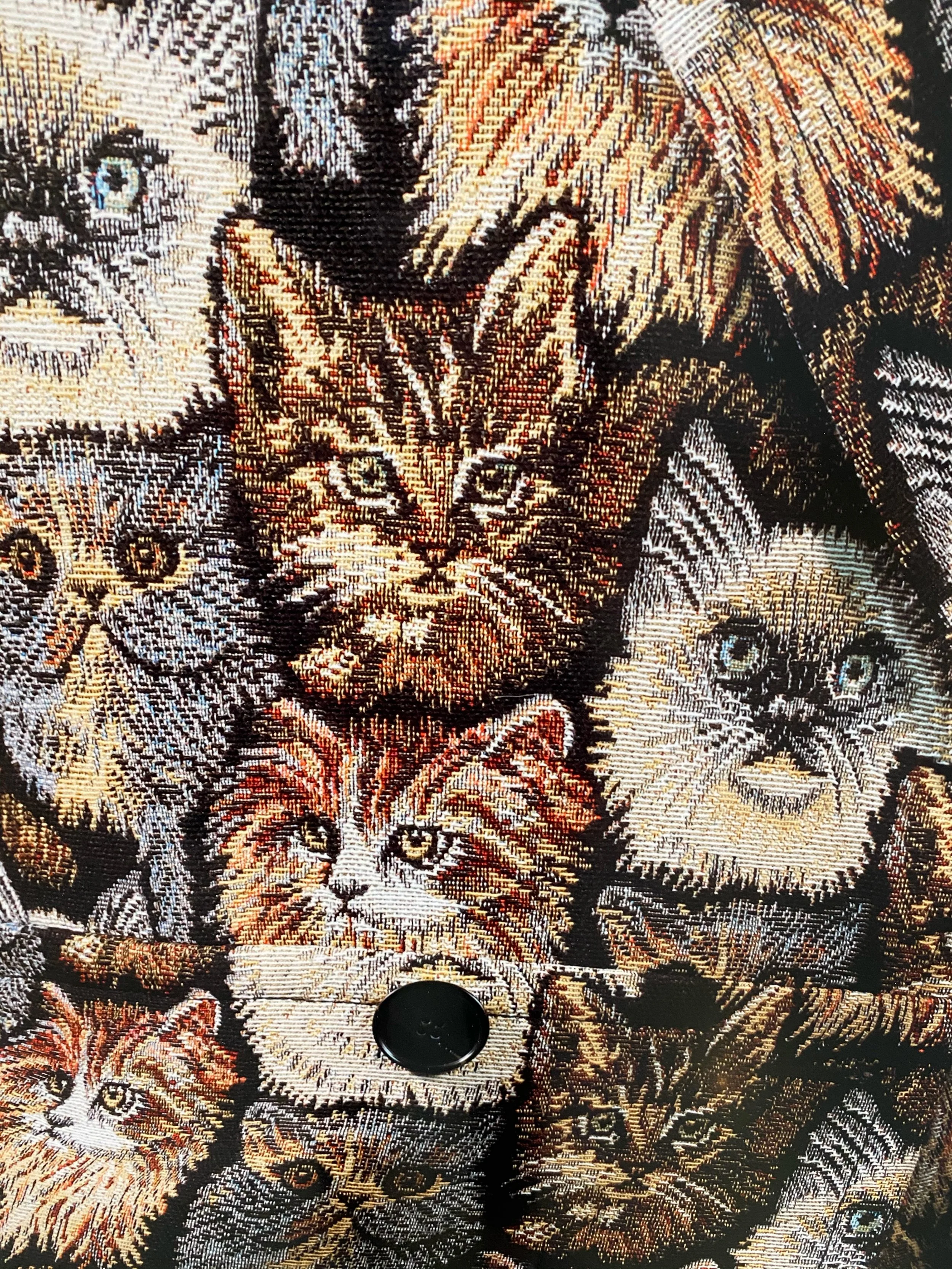
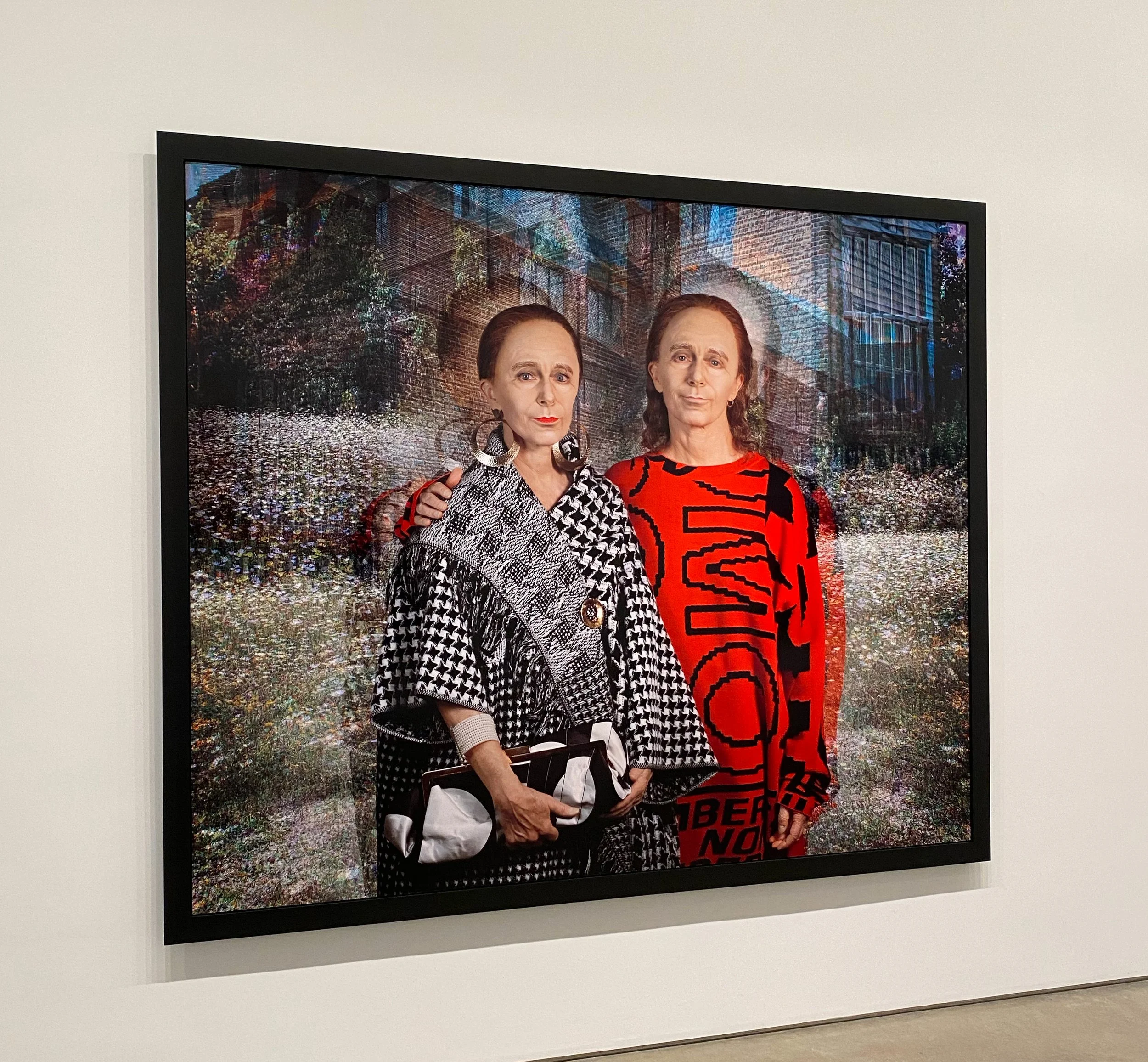
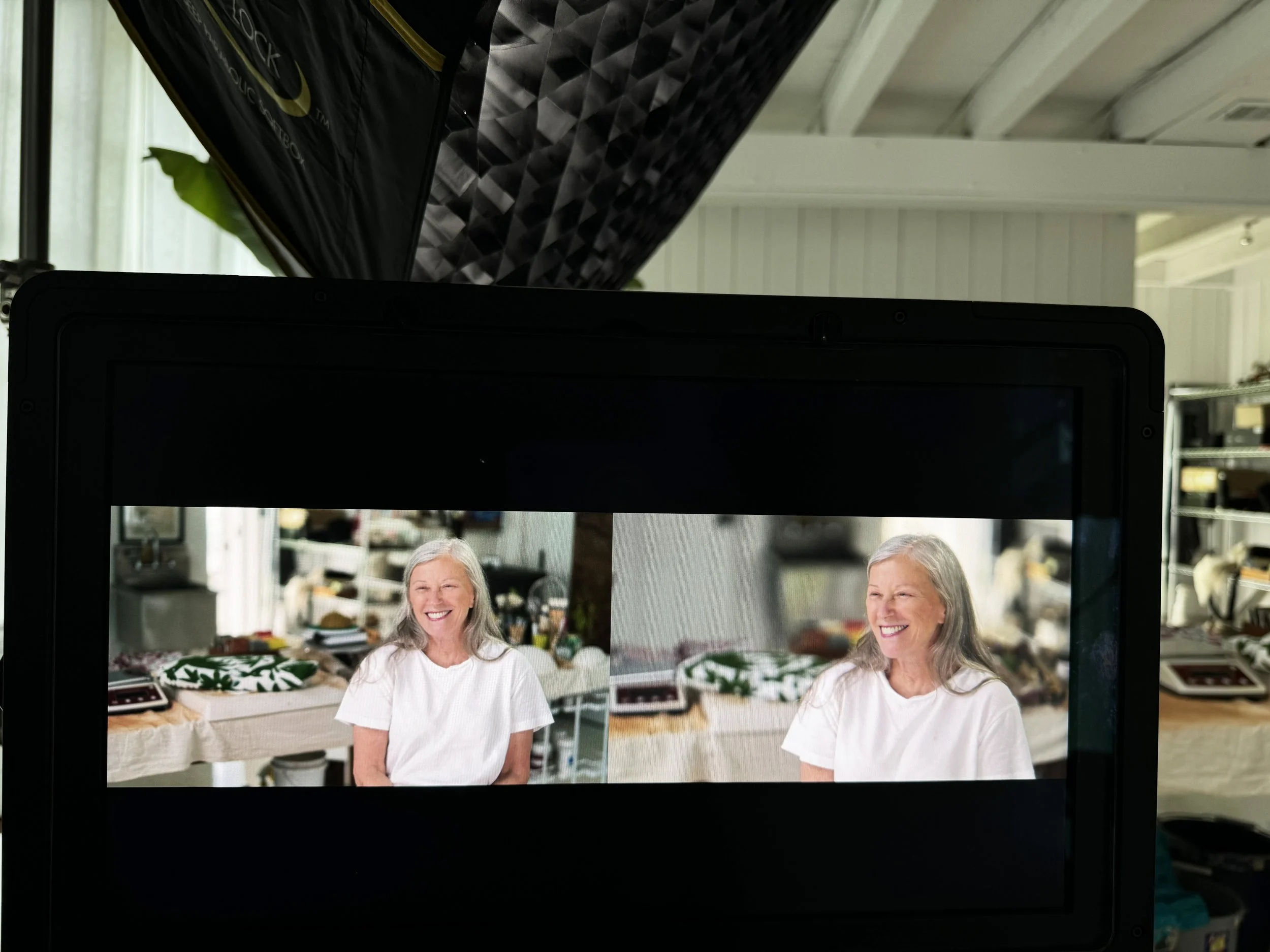
“While I’m seeing a character develop on my computer, on the laptop, I can then change it ever so subtly, and it’s a whole new character, and change the lighting the same way. And yeah, I can continue to work more layering and layering and layering.”
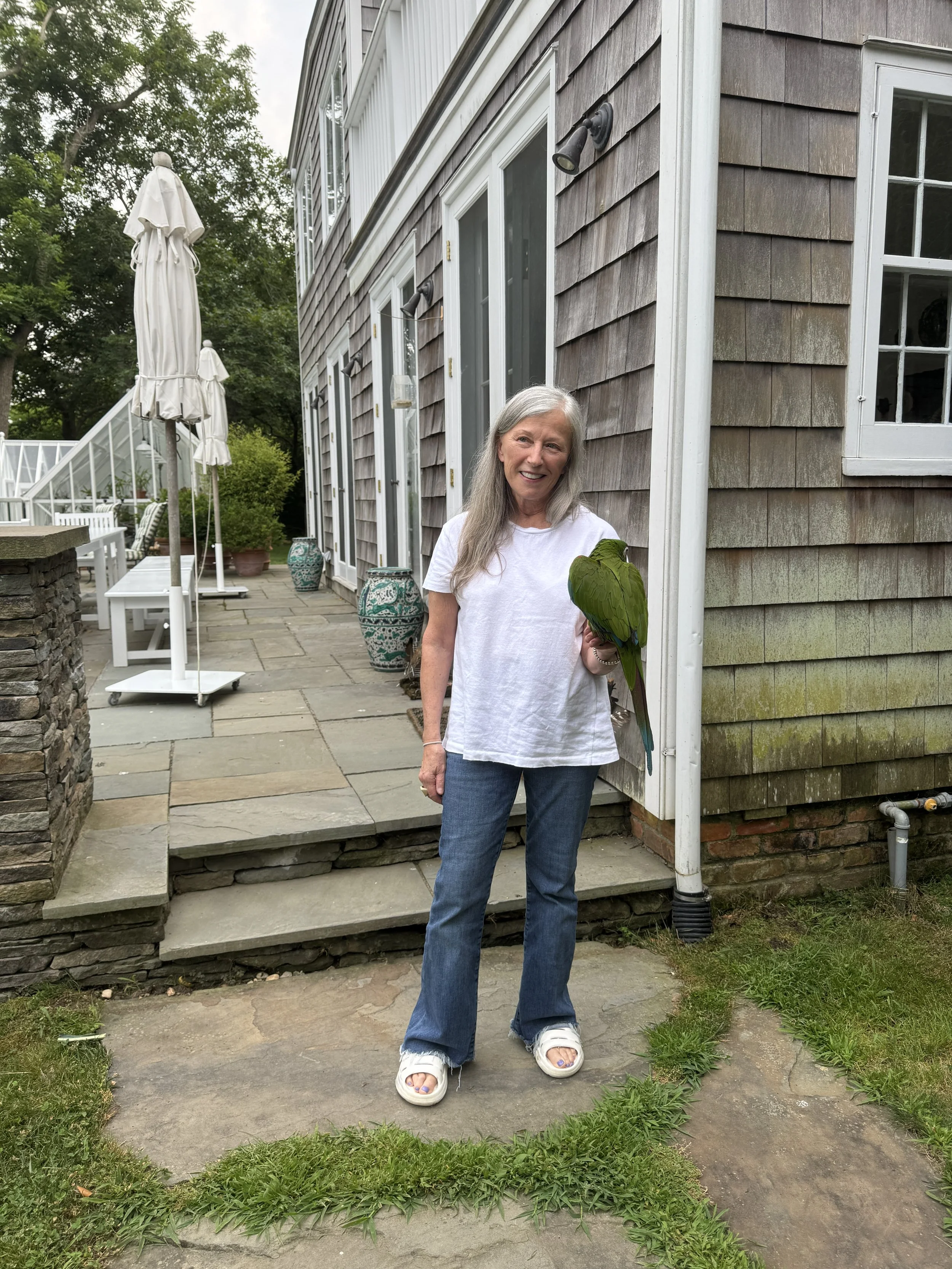
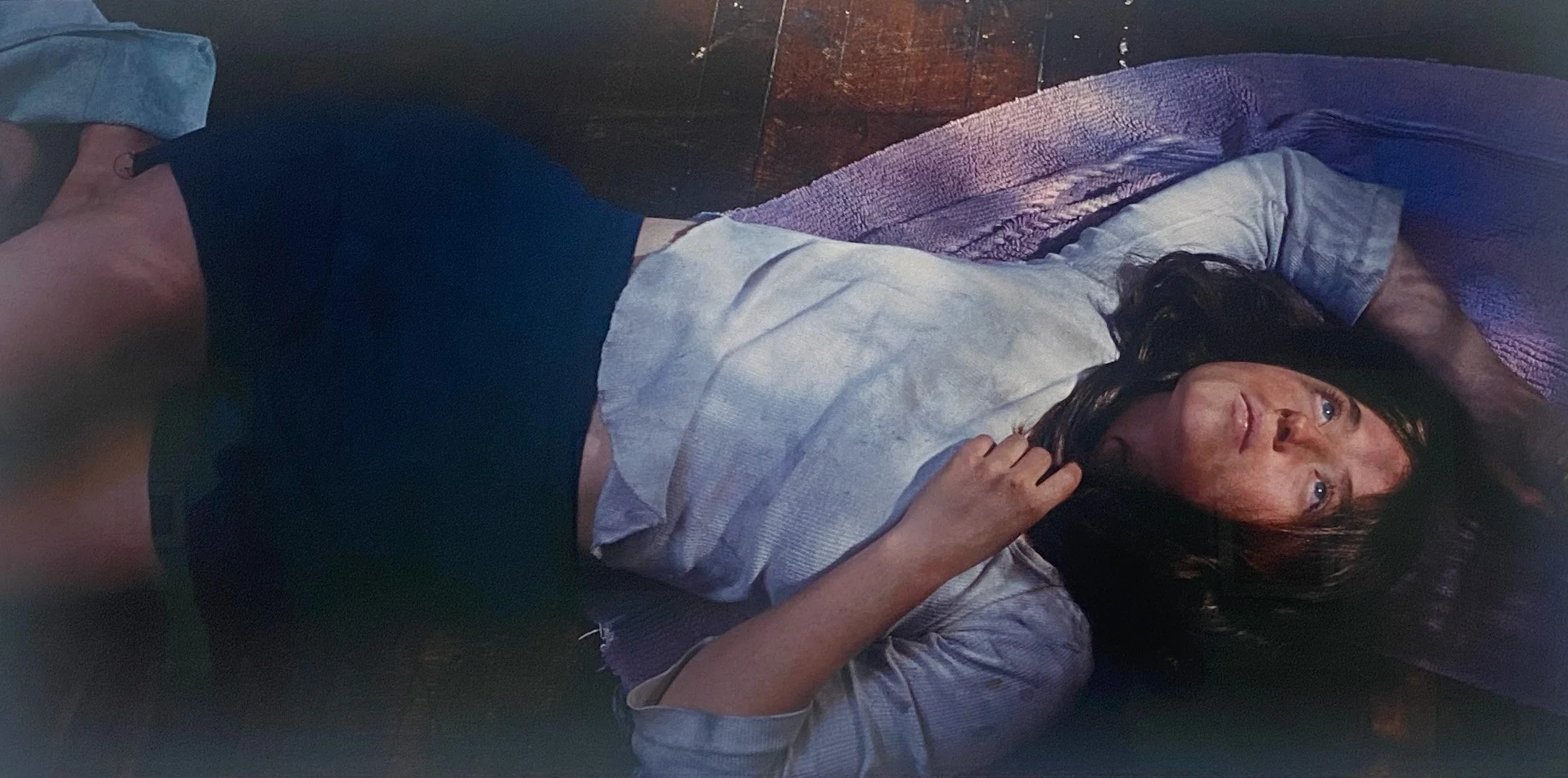
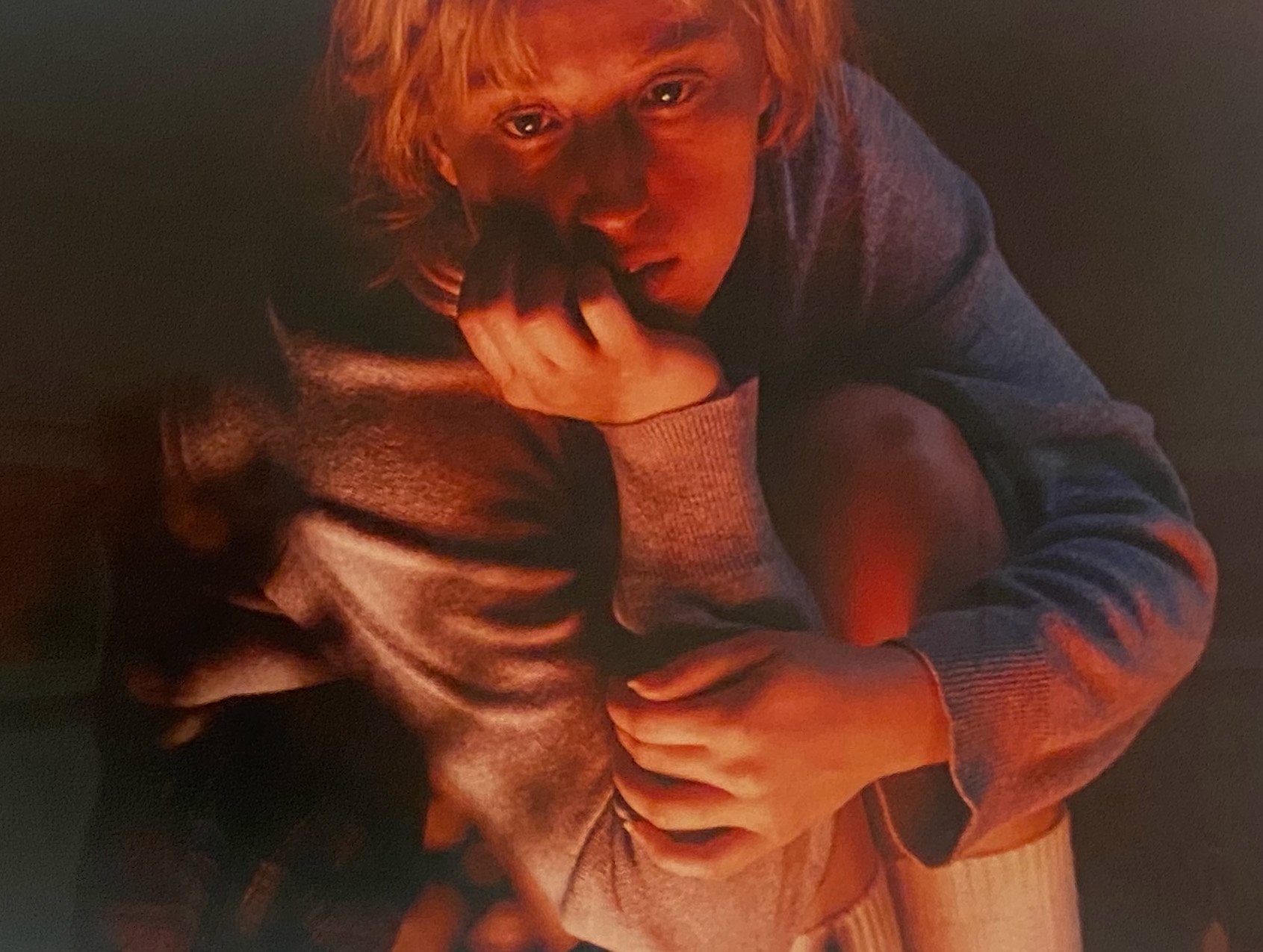
“I wanted to imply that someone was just off camera, or maybe she hears somebody out the door or sees somebody looking in the window, or something that just makes you wonder what’s going to happen or what just happened. Did she just have a fight with somebody and stormed off and shut the door?”